Who Is at Risk of Atherosclerosis? Age, Lifestyle & Genetics
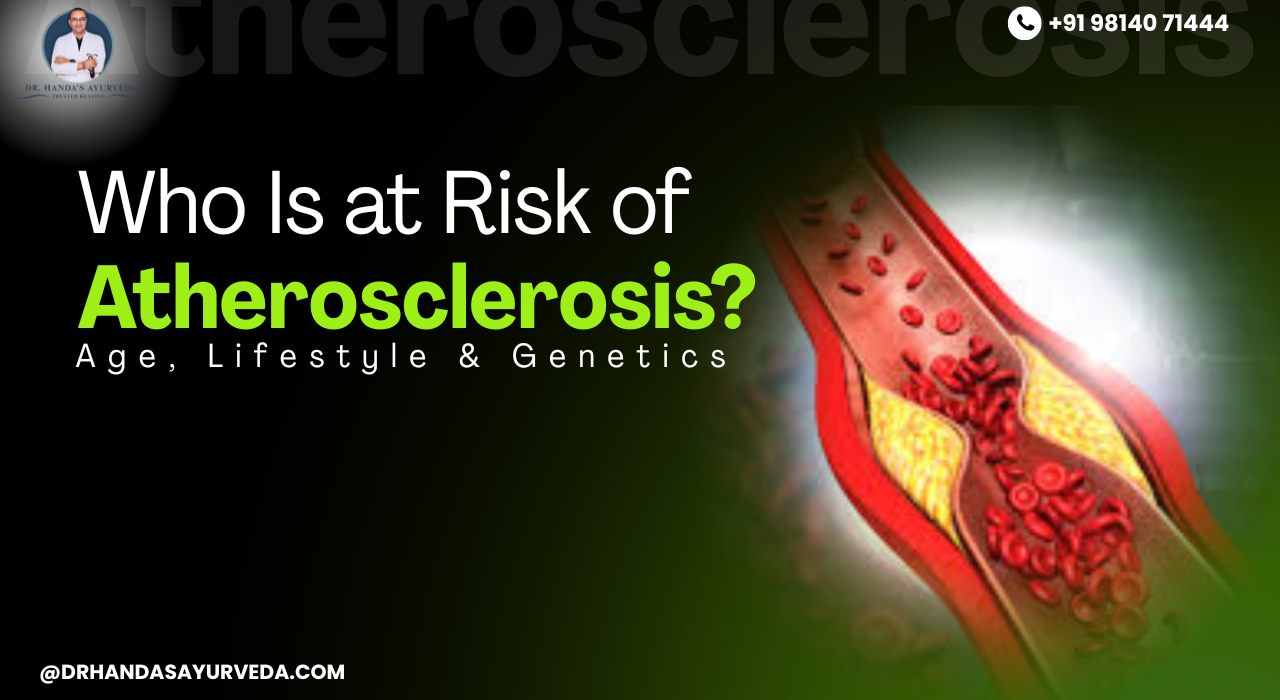
Atherosclerosis is a condition in which fatty deposits (plaque) build up inside the arteries, making them narrow and stiff. Over time, this reduces blood flow and increases the risk of heart attack, stroke, and other serious complications. Understanding who is at risk can help people take early steps toward prevention and better heart.
Table of Contents
ToggleAge: A Natural Risk Factor
As we grow older, our arteries naturally lose elasticity and become more prone to plaque buildup. Atherosclerosis usually develops slowly over many years and may begin in childhood without noticeable symptoms. By middle age or later, the risk increases significantly, especially if other factors such as poor diet or high blood pressure are present. Regular checkups are important for early detection
Lifestyle: The Biggest Contributor
Lifestyle plays a major role in the development of atherosclerosis. Common risk factors include:
Unhealthy Diet rich in fried foods, refined carbohydrates, and excess salt
Smoking and tobacco use, which damages artery walls
Lack of physical activity, leading to obesity and poor circulation
Chronic stress and poor sleep, which can increase blood pressure and inflammation
Modern habits such as long sitting hours, irregular meals, and processed foods further increase risk. From an Ayurvedic perspective, imbalance in doshas (especially Kapha and Pitta) along with weak digestion (Agni) can contribute to the accumulation of toxins (Ama), which may affect blood channels (Srotas). Ayurvedic awareness focuses on improving digestion, maintaining balance, and supporting natural detoxification through diet, herbs, and daily routines.
Genetics: The Hidden Influence
Family history is another important risk factor. If parents or close relatives have had heart disease, high cholesterol, or early strokes, the chances of developing atherosclerosis are higher. Genetics can influence how the body handles fats, inflammation, and blood sugar. While genes cannot be changed, lifestyle choices can significantly reduce their impact.
Ayurvedic View on Risk Management
Ayurveda emphasizes prevention through balanced nutrition, stress management, and strengthening the body’s natural systems. Herbs, Panchakarma therapies, and lifestyle guidance aim to support healthy circulation and metabolism. For general awareness, people often seek guidance from experienced practitioners such as the Best Ayurvedic doctor in Ludhiana, who focuses on individualized treatment plans based on body constitution and root causes rather than just symptoms.
Conclusion
Anyone can develop atherosclerosis, but the risk is higher with increasing age, unhealthy lifestyle habits, and genetic predisposition. The good news is that most risk factors are controllable. By maintaining a balanced diet, staying active, managing stress, and seeking timely medical or Ayurvedic guidance, individuals can significantly lower their risk and support long-term heart. Early awareness is the first step toward prevention.