
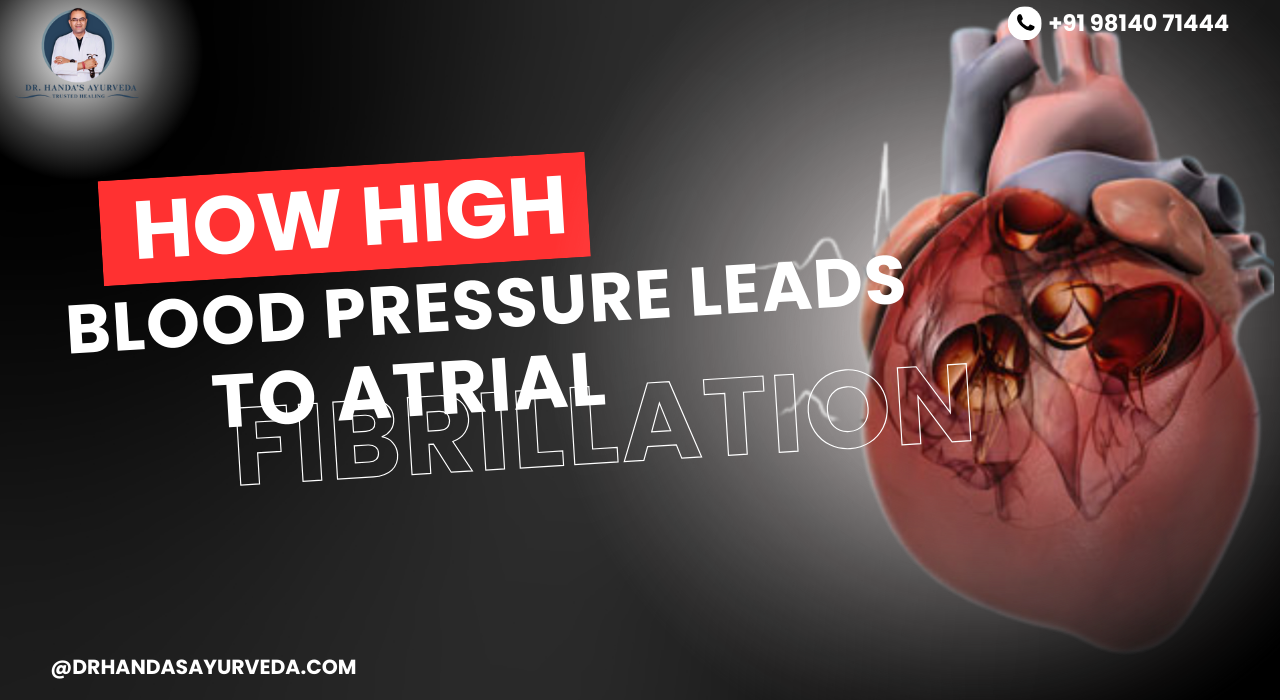
How High Blood Pressure Leads to Atrial Fibrillation
High blood pressure (hypertension) and atrial fibrillation (AFib) are two of the most common cardiovascular conditions worldwide — and they’re closely linked. Understanding how one can lead to the other can help you make smarter lifestyle choices and seek appropriate care early.
Table of Contents
ToggleWhat Happens in High Blood Pressure
High blood pressure means that the force of blood pushing against the walls of your arteries is consistently too high. Over time, this increased pressure causes damage to your blood vessels and heart muscle. It makes your heart work harder, particularly the left side, which pumps blood to the rest of your body.
The Heart’s Structural Changes
When blood pressure remains high for long periods, the heart adapts to the added work by thickening the muscle — especially in the left ventricle (a condition known as left ventricular hypertrophy). This isn’t a healthy adaptation; the stiffened muscle is less efficient at pumping blood. The pressure also affects the left atrium, which can enlarge and become fibrotic (scarred). These structural changes disrupt the normal electrical pathways of the heart.
How This Leads to Atrial Fibrillation
Atrial fibrillation occurs when the electrical signals that control the heartbeat become disorganized, leading to a rapid and irregular heart rhythm. Hypertension-related changes — such as left atrial enlargement and fibrosis — create the perfect conditions for this chaotic electrical activity. As a result, people with high blood pressure have a significantly higher risk of developing AFib. In fact, research suggests that hypertension increases AFib risk by about 50% compared to those with normal blood pressure.
Why This Matters
AFib isn’t just an irregular heartbeat. It can lead to serious complications such as stroke, heart failure, and reduced quality of life. High blood pressure is often called the “silent killer” because it may show no symptoms until serious damage is done. Regular monitoring and management are essential to break the chain between hypertension and AFib.
Managing Blood Pressure Naturally
Alongside medical care, many people explore Ayurvedic and holistic heart-focused approaches. If you’re interested in natural support and personalized lifestyle guidance, consulting with the Best Ayurvedic doctor in Ludhiana like Dr. Ish Handa can help. Ayurveda focuses on balancing the body through diet, herbs, stress management, and daily practices that support long-term cardiovascular balance — and can be a valuable complement to clinical care