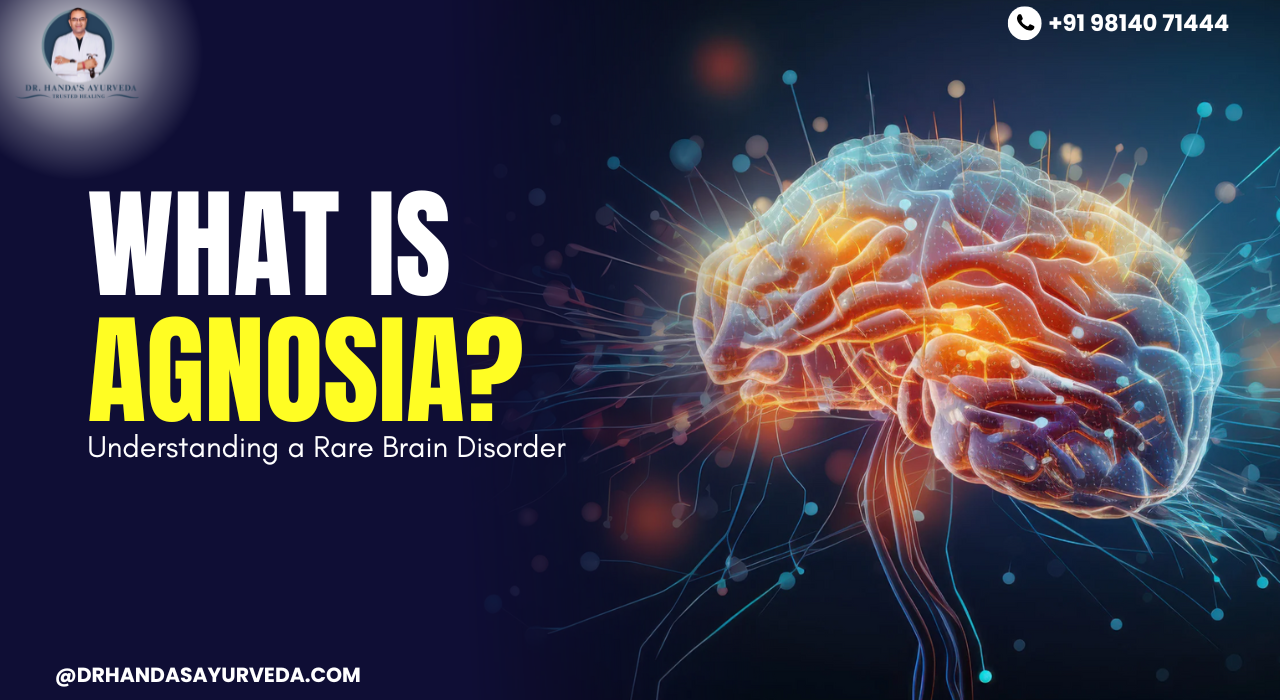
What is Agnosia? Understanding a Rare Brain Disorder
Agnosia is a rare neurological condition in which a person loses the ability to recognize objects, people, sounds, or smells—even though their senses (like eyesight and hearing) are working properly. In simple words, the eyes may see and the ears may hear, but the brain cannot correctly understand or identify what is being perceived. This disorder usually occurs due to damage to specific areas of the brain responsible for processing sensory information.
Agnosia is most commonly caused by stroke, traumatic brain injury, brain tumors, infections, or neurodegenerative diseases such as Alzheimer’s disease. Depending on the affected brain area, agnosia can appear in different forms. Visual agnosia makes it difficult to recognize familiar objects or faces. Auditory agnosia affects the ability to recognize sounds, such as voices or music. Tactile agnosia (also called astereognosis) prevents a person from identifying objects by touch. Although memory and intelligence remain intact, daily life becomes challenging because the brain cannot correctly interpret sensory input.
Common symptoms of agnosia include difficulty identifying everyday objects, trouble recognizing family members, confusion with familiar sounds, and problems understanding textures by touch. These symptoms may cause emotional stress, anxiety, and reduced independence. Early diagnosis through neurological examination and brain imaging is important to manage the condition effectively.
Treatment for agnosia mainly focuses on rehabilitation and supportive therapy. Speech therapy, occupational therapy, and cognitive exercises help patients adapt and improve their ability to function in daily life. Along with modern medical care, many people explore holistic systems such as Ayurveda for supportive management and overall brain functions.
Ayurveda views brain disorders as an imbalance of doshas—especially Vata—and emphasizes restoring balance through natural therapies. According to traditional Ayurvedic principles, herbs, diet regulation, detoxification (Panchakarma), and lifestyle correction may help improve nerve function and mental clarity. Therapies such as Shirodhara, Nasya, and medicated oils are believed to nourish the nervous system and calm the mind.
For general awareness, it is important to understand that agnosia is not a mental illness but a neurological disorder that requires medical attention and long-term care. Consulting experienced practitioners who combine classical knowledge with modern understanding can be helpful. Many patients and families look for holistic guidance from experienced professionals, including the Best Ayurvedic doctor in Ludhiana, who can provide supportive care plans based on individual body constitution and symptoms.
In conclusion, agnosia is a rare but serious brain disorder that affects a person’s ability to recognize the world around them. With early diagnosis, proper rehabilitation, and supportive therapies—including Ayurvedic approaches—patients can improve their quality of life and cope better with the challenges of this condition. This awareness helps families seek timely help and adopt a balanced approach toward healing and long-term well-being.