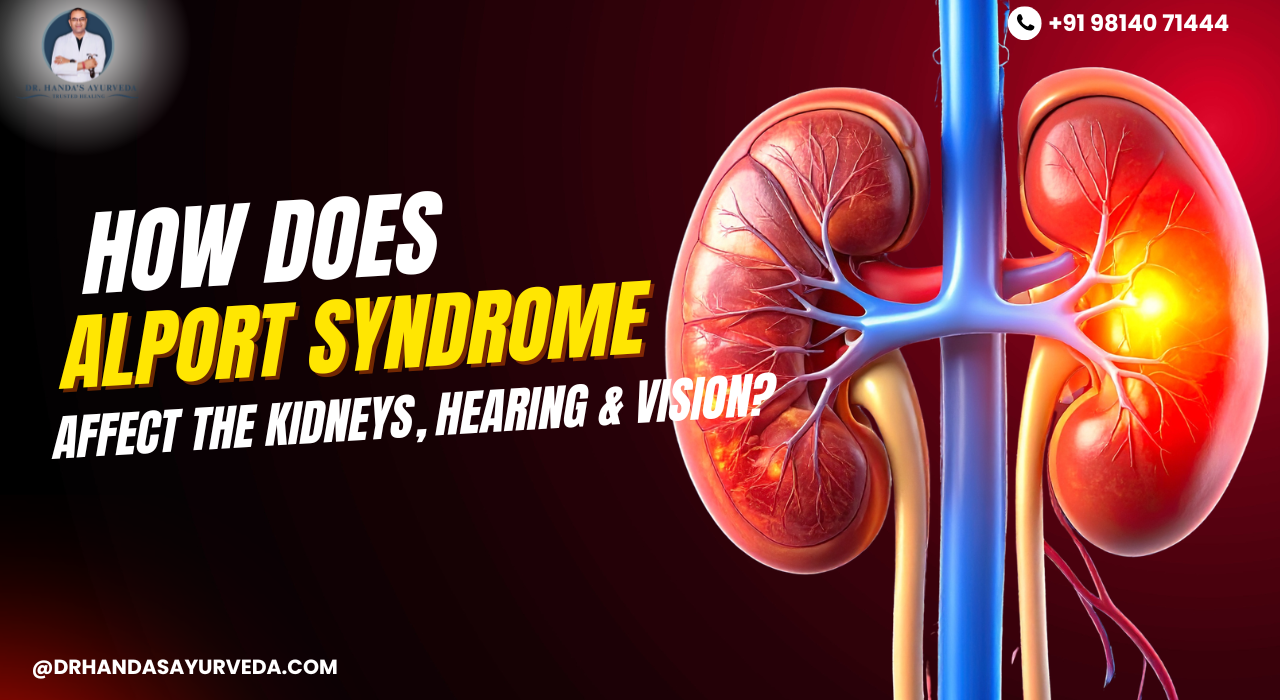
How Does Alport Syndrome Affect the Kidneys, Hearing & Vision?
Alport syndrome is a rare inherited condition that primarily affects the kidneys, but it can also impact hearing and vision. It occurs due to mutations in genes responsible for producing type IV collagen, an essential protein that forms the structural foundation of basement membranes in various organs. Because collagen is a key building block in the kidneys, inner ear, and eyes, defects in this protein lead to progressive symptoms in these systems.
Let’s understand how Alport syndrome affects each organ.
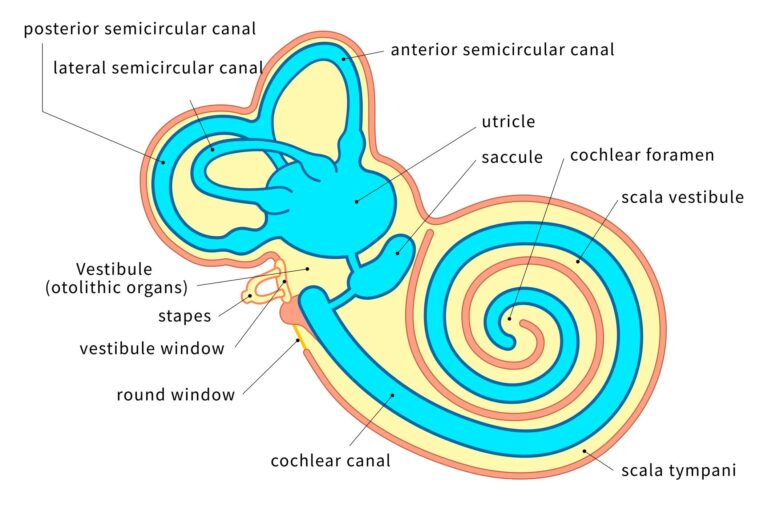
Table of Contents
ToggleEffect on the Kidneys
The kidneys contain millions of tiny filtering units called glomeruli. These structures rely on healthy collagen to filter waste and excess fluids from the blood. In Alport syndrome, the abnormal collagen weakens the glomerular basement membrane.
Early Signs:
- Blood in urine (hematuria) – often the first symptom
- Foamy urine due to protein leakage
- Mild swelling in legs or around the eyes
Progressive Damage:
Over time, the filtering units become scarred. This reduces kidney efficiency and may lead to:
- Chronic kidney disease (CKD)
- High blood pressure
- Kidney failure in severe cases
Symptoms often begin in childhood or adolescence, especially in males with the X-linked form of the condition. Without proper management, kidney function can gradually decline.
Effect on Hearing
Collagen is also crucial in the inner ear, particularly in the cochlea, which helps convert sound waves into nerve signals. When collagen is defective, the delicate structures of the ear may not function properly.
Common Hearing Changes:
- Gradual hearing loss (usually during late childhood or teenage years)
- Difficulty hearing high-pitched sounds
- Need for hearing aids in some individuals
Hearing loss in Alport syndrome is typically sensorineural, meaning it results from inner ear damage rather than blockage or infection. Early detection through regular hearing tests can improve quality of life significantly.
Effect on Vision
The eyes also rely on strong basement membranes. In Alport syndrome, collagen abnormalities can lead to subtle but specific eye problems.
Eye-Related Features:
- Anterior lenticonus (bulging of the eye lens)
- Blurred or distorted vision
- Retinal changes (rare but possible)
Most vision issues are manageable with corrective lenses, and severe vision loss is uncommon. However, regular eye examinations are recommended to monitor changes.
Why Early Diagnosis Matters
Since Alport syndrome is genetic, family history plays an important role. If multiple family members have kidney disease or early hearing loss, genetic testing may be advised. Early diagnosis allows doctors to:
- Monitor kidney function regularly
- Control blood pressure
- Delay progression of kidney damage
- Provide hearing and vision support
Modern treatment focuses on slowing kidney damage using medications such as ACE inhibitors and managing symptoms through supportive care.
Holistic Balance Awareness & Support
While Alport syndrome requires medical supervision from nephrologists and specialists, many families also explore supportive lifestyle approaches to improve overall well-being. Maintaining a kidney-friendly diet, managing blood pressure, and reducing stress can be beneficial.
For individuals seeking complementary guidance, consulting the Best Ayurvedic doctor in Ludhiana may help in understanding natural ways to support kidney, improve immunity, and maintain balance in the body. Ayurveda focuses on strengthening overall vitality, proper digestion, and toxin elimination, which may support long-term balance alongside conventional treatment.
According to general principles followed by practitioners such as those at Dr. Handa’s Ayurveda, maintaining dosha balance, following a personalized diet plan, and using herbal support under supervision can help improve quality of life. However, it is important to remember that Alport syndrome is a genetic condition and requires ongoing medical care. Ayurvedic or natural therapies should be considered complementary—not a replacement for prescribed treatment.
Living with Alport Syndrome
Although Alport syndrome is a lifelong condition, early management and supportive care can significantly improve outcomes. Regular checkups, hearing tests, eye exams, and kidney monitoring are essential.
With advances and holistic awareness, many individuals with Alport syndrome lead productive and fulfilling lives. Education, family screening, and timely intervention remain the keys to better long-term balance.
If you notice persistent blood in urine or have a family history of kidney disease and hearing loss, consult a Ayurvedic practitioner for proper evaluation. Early awareness can make a meaningful difference.