What Is Acute Respiratory Distress Syndrome (ARDS)?
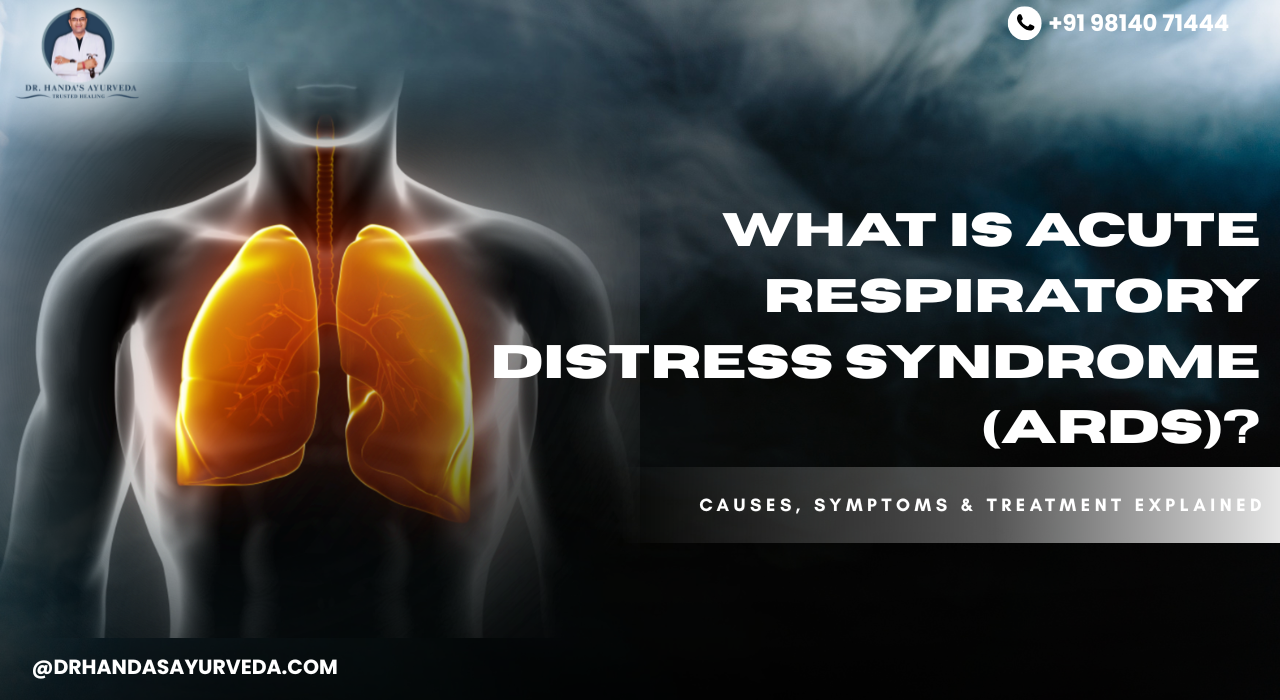
Acute Respiratory Distress Syndrome, commonly known as ARDS, is a serious and life-threatening lung condition that affects thousands of individuals worldwide each year. It does not occur on its own, but rather as a severe complication of another critical illness or injury. ARDS develops rapidly and can lead to dangerously low levels of oxygen in the bloodstream, making it difficult for vital organs to function.
Table of Contents
ToggleUnderstanding ARDS: What Happens in the Lungs
In normal lungs, tiny air sacs called alveoli allow oxygen to pass into the blood and remove carbon dioxide from the body. In ARDS, these delicate air sacs suddenly fill with fluid due to inflammation or injury. This fluid buildup prevents the lungs from fully expanding with air and dramatically reduces the body’s ability to absorb oxygen. As a result, organs such as the heart, brain, and kidneys receive less oxygen than they need, which can lead to further complications.
Who Gets ARDS? The Common Triggers
ARDS most often affects people who are already seriously ill or hospitalized due to another condition. Some of the key causes and risk factors include:
Severe infections (Sepsis): The most frequent trigger, where infection in the body causes widespread inflammation.
Pneumonia: Including bacterial and viral pneumonia, such as with severe influenza or COVID-19.
Aspiration: When food, liquid, or stomach acid enters the lungs.
Serious trauma or burns: Major injuries can trigger inflammatory responses that affect the lungs.
Inhalation injuries: Breathing in smoke or harmful chemicals can damage lung tissue.
Transfusions: Receiving large amounts of blood over a short time may contribute to ARDS.
Older adults, people with pre-existing lung disease, and those with weakened immune systems are particularly vulnerable to developing ARDS when exposed to these triggers.
Recognizing the Symptoms
ARDS progresses quickly and symptoms usually begin within hours to days after the initial injury or infection. Common signs include:
Severe shortness of breath that does not improve with rest
Rapid and labored breathing
Low oxygen levels in the blood
Rapid heart rate
Bluish color of the lips and fingertips (due to low oxygen)
Confusion, fatigue, or extreme tiredness
Because these symptoms are similar to other lung or heart conditions, ARDS diagnosis usually involves imaging tests like chest X-rays or CT scans and measuring oxygen levels in the blood.
How Is ARDS Managed?
There is no single cure for ARDS, but with prompt and intensive care, many patients can recover. The approach focuses on supporting lung function and preventing further complications:
1. Oxygen & Ventilation Support
Most patients with ARDS require oxygen therapy to raise blood oxygen levels. In severe cases, a mechanical ventilator may be used. A ventilator helps push air into the lungs, keeping the tiny air sacs open and improving oxygen delivery throughout the body.
2. Protective Ventilation Strategies
Doctors use specialized ventilator settings—like low tidal volume ventilation—to prevent further lung injury. These protective strategies have been shown to improve outcomes and increase survival in serious cases.
3. Managing the Underlying Cause
Because ARDS stems from another illness, managing that trigger—such as infection, trauma, or sepsis—is essential to recovery. Supportive care like antibiotics, fluid management, and careful monitoring are part of this approach.
4. Preventing Complications
Individuals with ARDS are at risk of other concerns, such as infections or organ failure. Intensive care teams work to prevent and manage these complications throughout the process.
Can Ayurveda Help?
Although ARDS is a emergency requiring immediate hospital and ICU care, holistic lifestyle practices, lifestyle adjustments, and immune-supportive herbs may be valuable during recovery under proper guidance. For individuals looking at comprehensive support, consulting a qualified practitioner like the Best Ayurvedic doctor in Ludhiana — such as at Dr. Handa’s Ayurveda — can be helpful for long-term lung support, strengthening immunity after critical illness, and overall balance. Their approach focuses on natural herbs, lifestyle modification, and personalized care to support recovery and improve quality of life.
Final Thoughts
Acute Respiratory Distress Syndrome is a condition that demands urgent attention and critical care support. Recognizing symptoms early and seeking immediate support offers the best chance of recovery. Beyond hospital care, long-term support through lifestyle practices like those offered by trusted Ayurvedic experts can play a supportive role in holistic recovery. If you or a loved one are navigating challenges, professional guidance—from both clinical and lifestyle perspectives—can make a positive difference.