
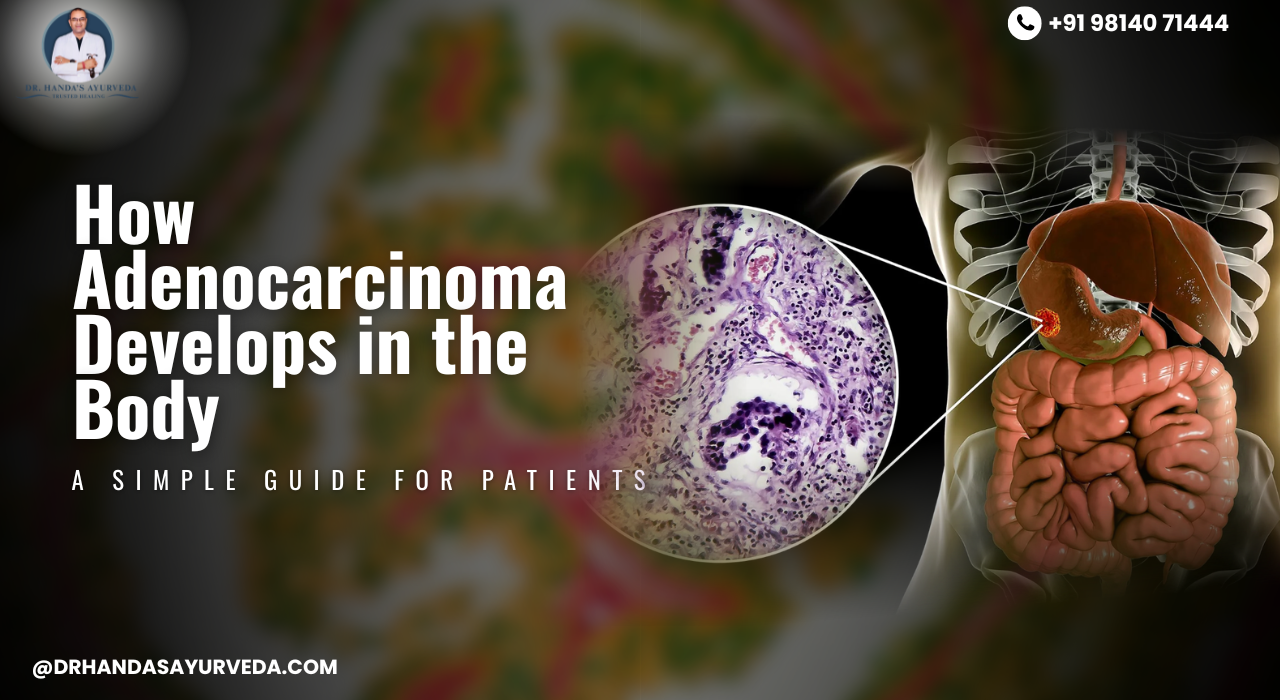
How Adenocarcinoma Develops in the Body: A Simple Guide for Patients
Adenocarcinoma is a type of cancer that begins in gland-forming (glandular) cells — the cells in your body that produce mucus, digestive juices, and other important fluids. Because these gland cells line many organs, this cancer can start in several parts of the body, such as the lungs, breast, stomach, pancreas, colon, and prostate.
Understanding how adenocarcinoma develops helps patients and caregivers recognize the process, spot early warning signs, and make informed decisions about medical care.
Table of Contents
ToggleWhat Are Glandular Cells?
Glandular cells are specialized epithelial cells (cells that line organs and body surfaces) responsible for making and releasing substances like mucus, enzymes, and hormones. Adenocarcinoma begins when these glandular cells start behaving abnormally, growing and dividing without control. Over time, this uncontrolled growth can form a tumor — a mass of cancer cells.
The Development Process: Step by Step
1. Genetic Mutations Trigger the Start
Cancer begins deep inside your cells when their DNA changes in ways that disrupt normal growth controls. These genetic mutations — which may be inherited or caused by environmental factors — make cells divide rapidly and avoid the usual checks the body provides.
Mutations can occur from:
Long-term exposure to carcinogens like tobacco smoke
Radiation exposure
Chronic inflammation
Obesity or diet-related factors
Family history of cancer
Each of these may add to the risk of mutations that kickstart adenocarcinoma.
2. Cells Grow Out of Control
Once a glandular cell’s DNA is altered, it may lose its ability to stop dividing. Instead of finishing its life cycle and dying — as normal cells do — it keeps reproducing. Over time, this creates a cluster of abnormal cells, which becomes a tumor.
At first, these cells might grow slowly — sometimes without symptoms — but as more genetic disruptions occur, the tumor can become more aggressive.
3. The Tumor Grows and Changes
As the tumor expands:
It may invade nearby healthy tissues
It can grow deeper within the affected organ
New blood vessels and support systems may form to feed the tumor
These processes are driven by ongoing genetic changes within the cancer cells.
4. Spread (Metastasis) Can Occur
When cancer cells break away from the original tumor, they may enter the bloodstream or lymphatic system and travel to other parts of the body. This stage — called metastasis — means the cancer has become more advanced and harder to treat.
For example, lung adenocarcinoma may spread to the liver or brain, while colorectal adenocarcinoma can reach nearby lymph nodes or distant organs.
Why Adenocarcinoma Is Serious
Even though adenocarcinoma starts in gland cells, it behaves like other invasive cancers — quietly growing and often causing no symptoms early on. Many patients only notice problems once the tumor interferes with the organ’s function.
That’s why regular health check-ups and prompt evaluation of unusual symptoms — such as unexplained weight loss, persistent pain, or changes in bodily functions — are crucial for early detection.
Holistic Support and Wellness
While modern medical treatments like surgery, chemotherapy, and radiation are essential components in fighting adenocarcinoma, many patients also explore holistic approaches to support overall health.
If you are looking for comprehensive natural care, consider consulting an expert like Dr. Handa’s Ayurveda — known as one of the Best Ayurvedic doctor in Ludhiana. With more than 15 years of experience, Dr. Ish Handa focuses on boosting immunity and general well-being through personalized Ayurvedic guidance, lifestyle recommendations, and natural care strategies.
Ayurveda emphasizes balancing the body’s energies (doshas), improving digestion (agni), and strengthening immunity — all of which can help patients feel better during or after treatments. These practices may support overall resilience, though they should be integrated with conventional medical care.
Key Takeaways for Patients
Adenocarcinoma starts from gland cells that grow and divide uncontrollably due to genetic changes.
The cancer can develop in many organs and may not cause symptoms in early stages.
Spread (metastasis) makes it more serious and harder to treat.
Early diagnosis greatly improves outcomes.
Integrative support — including consulting a trusted practitioner like the Best Ayurvedic doctor in Ludhiana — can complement standard medical care.