How Brain Injury Leads to Amnesia
Amnesia is a form of memory loss that affects a person’s ability to recall past events or form new memories. While there are several causes of amnesia, one of the most common and serious is brain injury. Understanding how brain trauma leads to amnesia can help individuals recognize the signs early and seek appropriate care.
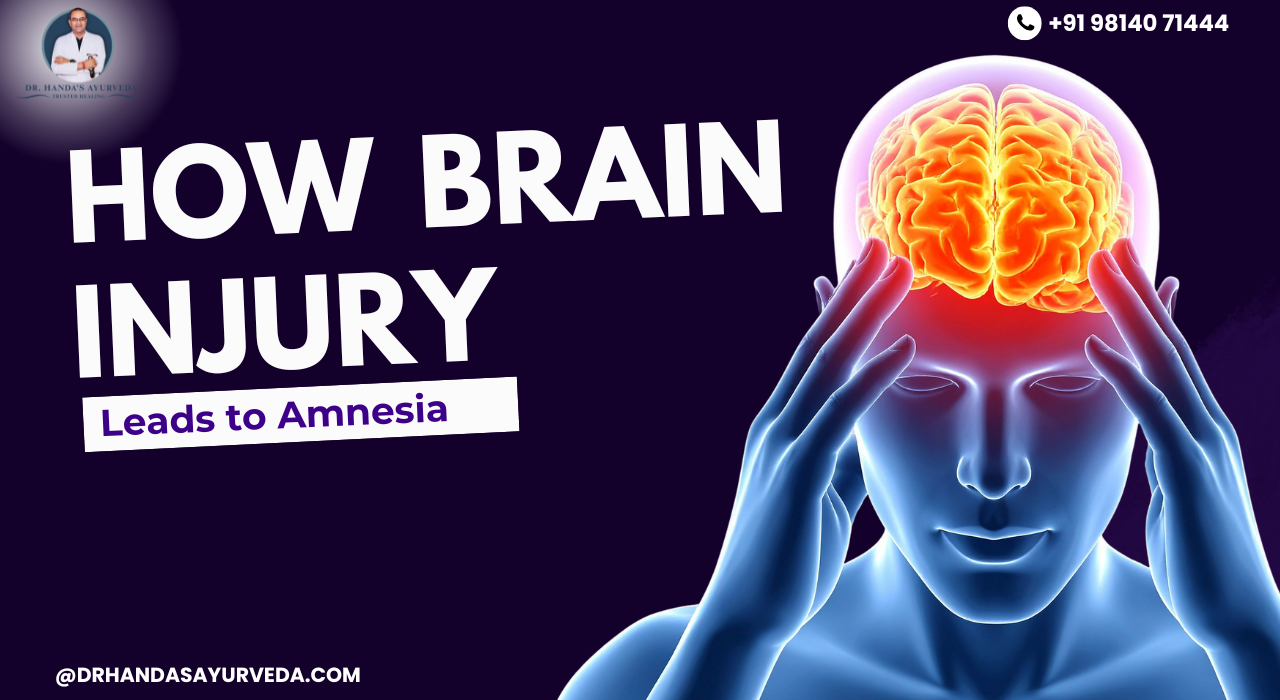
When the brain suffers an injury—whether from a fall, accident, or blow to the head—the delicate structures responsible for memory can become damaged. Memory is not stored in just one part of the brain; instead, it involves a network of areas, including the hippocampus and surrounding temporal lobes. These areas are essential for forming, storing, and retrieving memories. If they are injured, the brain’s ability to process memory can be disrupted, leading to amnesia.
There are different types of amnesia that can result from brain trauma. Retrograde amnesia refers to the inability to remember events that occurred before the injury, whereas anterograde amnesia is the difficulty in forming new memories after the injury. Both can occur depending on the severity and location of the brain damage.
One specific condition that often follows traumatic brain injury is post-traumatic amnesia (PTA). This happens shortly after a head injury, where the individual may seem awake and responsive but is confused and unable to recall events around the accident. PTA can be distressing for both the person affected and their loved ones because memory may be fragmented or completely lost for periods of time.
Even mild brain injuries like concussions can affect memory. In some cases, a person might not lose consciousness but still experience temporary memory gaps about what happened just before or after the injury. The brain needs time to recover, and memory functions may gradually improve with proper care and rehabilitation.
If you or someone you know experiences memory loss after a head injury, it’s crucial to seek medical evaluation promptly. A trained healthcare provider can assess the extent of brain injury and recommend treatment options, which may include rest, cognitive therapy, and lifestyle changes to support recovery.
For holistic support and overall wellness—including guidance on maintaining brain health—many people consult with specialists. For example, Dr. Handa’s Ayurveda is known as one of the Best Ayurvedic doctor in Ludhiana, offering natural and supportive treatment approaches for improving overall health and well-being.