How Dangerous Is an Abdominal Aortic Aneurysm?
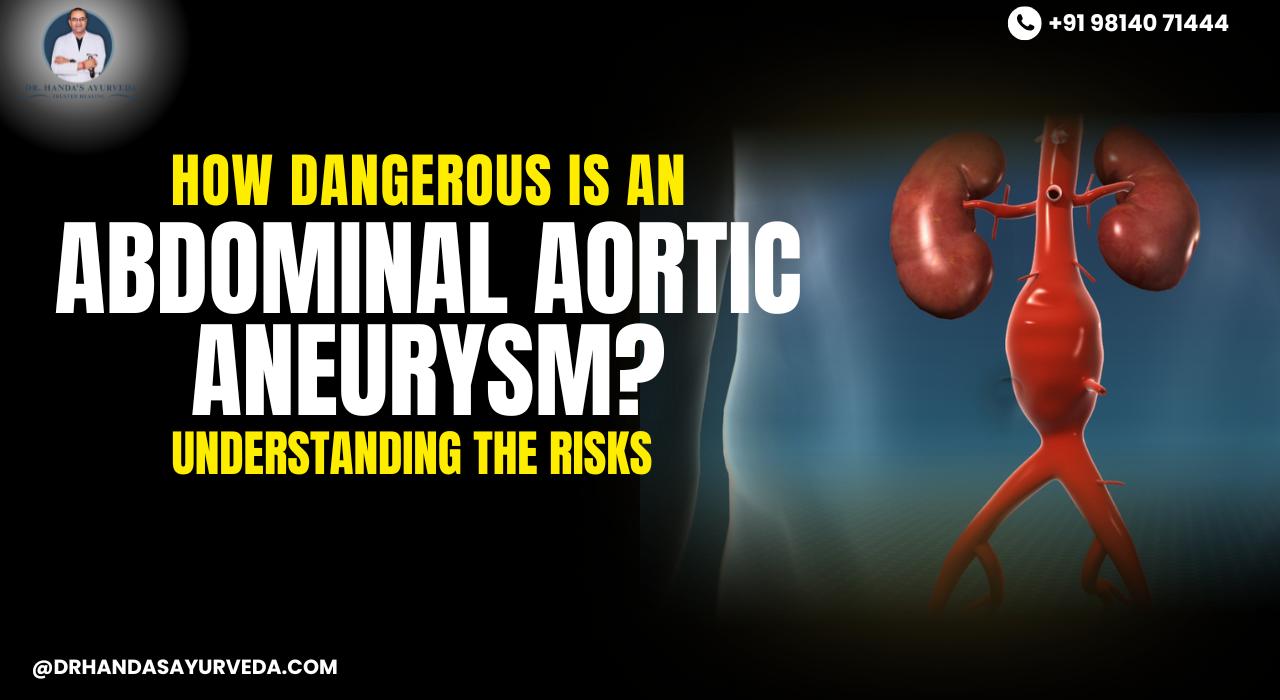
An Abdominal Aortic Aneurysm (AAA) is one of the most serious but often overlooked health conditions affecting the body’s largest artery — the aorta. The aorta carries blood from your heart to the rest of your body, and when the section in the abdomen weakens, it can balloon outward, forming an aneurysm. While some people may never experience symptoms, the consequences of allowing an AAA to grow undetected can be severe and, in many cases, life-threatening.
Table of Contents
ToggleWhat Is an Abdominal Aortic Aneurysm?
An abdominal aortic aneurysm occurs when a portion of the aorta that runs through the abdominal cavity becomes abnormally enlarged or weakened. Typically, the aorta has a uniform diameter, but when part of its wall bulges beyond about 3 centimeters, it is considered an aneurysm. Over time, this weakened area can continue to expand, increasing the chance of a rupture — a medical emergency with a high risk of death.
The Silent Nature of AAA
What makes AAA particularly dangerous is that it often develops silently. Many individuals have no symptoms at all until the aneurysm reaches a significant size or suddenly ruptures. For this reason, it is sometimes referred to as a “silent killer.” Routine health checkups or imaging investigations for unrelated issues are sometimes the first time an aneurysm is discovered.
Who Is at Risk?
Several factors can increase the chances of developing an abdominal aortic aneurysm:
Age: AAA is more common in older adults, particularly those over 65.
Smoking/Tobacco Use: Smoking is one of the strongest risk factors, significantly weakening arterial walls.
Family History: A family history of AAA suggests a genetic component to susceptibility.
Gender: Men are more prone to AAA than women.
Lifestyle Factors: Poor diet, inactivity, and long-term stress on the cardiovascular system can contribute indirectly.
Because of these risks, individuals with a combination of these factors should consider regular medical screening. For certain age groups, especially older men with a history of smoking, a one-time ultrasound screening is commonly recommended to detect AAA before it becomes dangerous.
Symptoms to Watch For
In many cases, aneurysms remain asymptomatic until they are large or begin to press on nearby tissues. As they expand, people may feel:
A pulsing sensation in the belly
Constant or intermittent abdominal or lower back pain
Pain spreading to groin or legs
If rupture occurs, the situation is dramatic and sudden:
Sudden, severe abdominal or back pain
Lightheadedness or loss of consciousness
Rapid heart rate with drop in blood pressure
Nausea or shock symptoms
A ruptured AAA is a true medical emergency, requiring immediate intervention — but survival rates are low without rapid treatment.
Why Early Detection Matters
Because AAA often shows no early warning signs and its rupture can be fatal, early detection saves lives. Doctors usually monitor aneurysms that are found incidentally, measuring their size over time. Smaller aneurysms may be watched with regular imaging, while larger or rapidly expanding ones often require surgical repair or endovascular procedures.
Prevention and risk reduction also play an important role. By controlling blood pressure, quitting smoking, managing cholesterol, and maintaining overall cardiovascular health, individuals reduce not only the risk of AAA but also broader cardiac concerns.
Holistic Health and Cardiovascular Well-Being
While an Abdominal Aortic Aneurysm typically needs evaluation and treatment through standard medical care — and in many cases surgery — adopting an overall holistic approach to heart and vascular health can support long-term well-being. Integrative health systems, such as Ayurveda, emphasize lifestyle balance, stress management, and natural support for cardiovascular function.
For individuals seeking holistic wellness and comprehensive care, consulting experienced practitioners such as the Best Ayurvedic doctor in Ludhiana can be valuable. Experts in traditional medicine can offer guidance on diet, natural herbs, stress reduction, and lifestyle practices that complement conventional healthcare — particularly in managing underlying risk factors like high blood pressure and poor circulation.
Conclusion
An abdominal aortic aneurysm is dangerous not just because of what it is — but because it often hides in plain sight. The risk of rupture and sudden internal bleeding makes it a critical condition to monitor, especially for those with known risk factors. Awareness, regular health checkups, lifestyle adjustments, and timely medical care are key to reducing danger. Combine these with holistic wellness practices under experts like the Best Ayurvedic doctor in Ludhiana to support your heart health and overall vitality.