
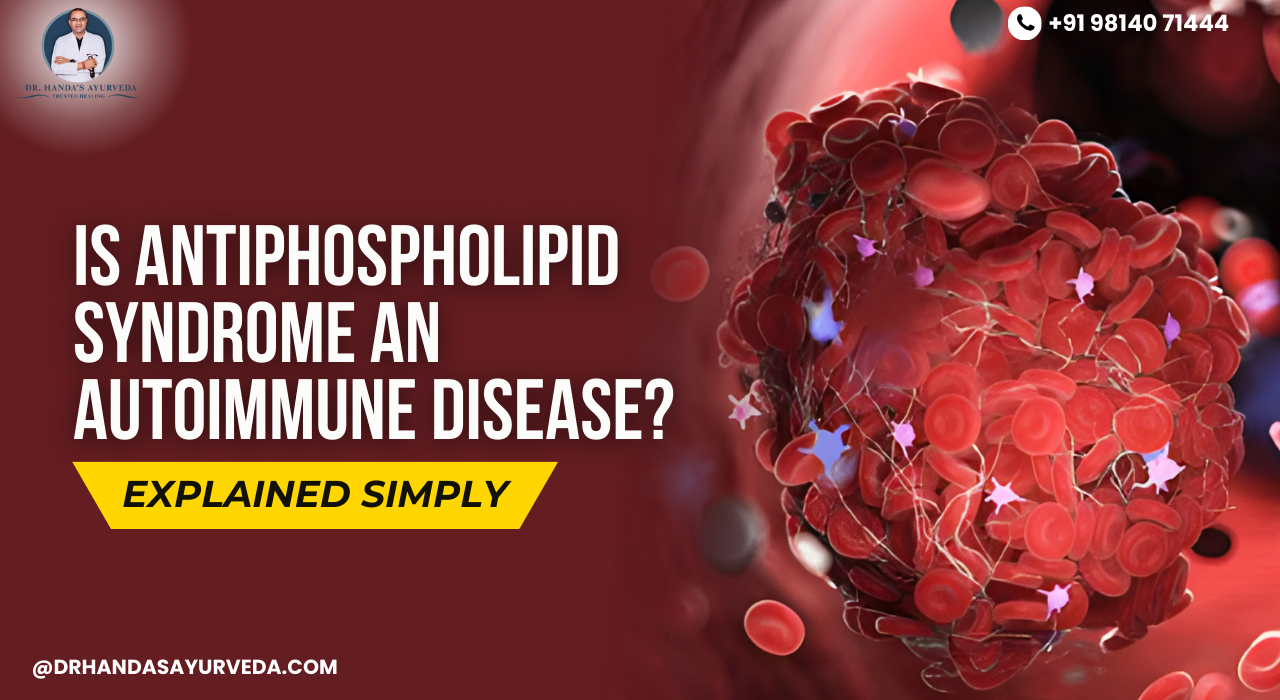
Is Antiphospholipid Syndrome an Autoimmune Disease? Explained Simply
Antiphospholipid Syndrome (APS) is a condition that many people hear about only after experiencing repeated blood clots or pregnancy complications. It can sound complicated and frightening. But understanding it in simple terms can reduce fear and help people take timely action.
So, is Antiphospholipid Syndrome an autoimmune disease?
Yes — APS is an autoimmune disorder. Let’s understand what that means in easy language.
Table of Contents
ToggleWhat Does “Autoimmune” Mean?
Our immune system is designed to protect us from harmful invaders like bacteria and viruses. But in autoimmune diseases, the immune system mistakenly attacks the body’s own healthy tissues.
In Antiphospholipid Syndrome, the body produces abnormal proteins called antiphospholipid antibodies. Instead of protecting the body, these antibodies increase the risk of abnormal blood clot formation. This is why APS mainly affects the blood and blood vessels.
How Does APS Affect the Body?
The main problem in APS is excessive blood clotting. These clots can form in:
- Legs (deep vein thrombosis)
- Lungs (pulmonary embolism)
- Brain (stroke)
- Heart
- Placenta during pregnancy
In women, APS is a known cause of recurrent miscarriages or pregnancy complications because blood flow to the placenta can be affected.
Not everyone with antiphospholipid antibodies develops symptoms, but when clotting events occur repeatedly, doctors may diagnose Antiphospholipid Syndrome.
Is APS Related to Other Autoimmune Diseases?
Yes. APS can occur in two forms:
- Primary APS – occurs on its own.
- Secondary APS – occurs along with another autoimmune disease, most commonly lupus.
Because of this connection, APS is strongly recognized as part of the autoimmune disease group.
What Are Common Symptoms?
Symptoms can vary from person to person. Some common warning signs include:
- Unexplained blood clots
- Repeated miscarriages
- Frequent headaches
- Skin discoloration (livedo reticularis – a lace-like rash)
- Stroke at a young age
If someone experiences unexplained clotting issues, proper medical evaluation is very important.
How Is APS Diagnosed?
Doctors usually diagnose APS through:
- Blood tests to detect antiphospholipid antibodies
- History of blood clots or pregnancy complications
- Repeated testing to confirm persistence of antibodies
Early diagnosis helps reduce serious complications.
Can APS Be Treated?
Modern medical treatment usually focuses on preventing blood clots using blood-thinning medications. With proper monitoring and treatment, many people with APS live normal lives.
Along with medical management, maintaining a healthy lifestyle plays an important role:
- Staying physically active
- Avoiding smoking
- Managing stress
- Eating a balanced diet
- Regular medical follow-ups
Ayurvedic Perspective for General Awareness
In Ayurveda, autoimmune-type conditions are often understood in terms of immune imbalance and disturbance in bodily doshas. The focus is on restoring balance, improving digestion (Agni), strengthening immunity (Ojas), and supporting healthy blood circulation.
For individuals seeking integrative guidance, consulting an experienced practitioner is important. Many people explore holistic approaches under the supervision of the Best Ayurvedic doctor in Ludhiana for lifestyle guidance, diet correction, stress management, and immune support as complementary care.
At Handa Healthcare Centre, emphasis is placed on individualized assessment, dietary correction, herbal support (where appropriate), and lifestyle adjustments for long-term wellness awareness. However, APS is a serious medical condition, and any supportive therapy should always be taken under qualified supervision alongside conventional medical advice.
When Should You See a Doctor?
Seek immediate medical care if you notice:
- Sudden swelling or pain in the leg
- Chest pain or breathing difficulty
- Sudden weakness or speech difficulty
- Recurrent pregnancy loss
Early action can prevent serious complications.
Final Thoughts
Yes, Antiphospholipid Syndrome is an autoimmune disease. It happens when the immune system produces antibodies that increase the risk of blood clots. While it may sound complex, early diagnosis, proper treatment, and healthy lifestyle choices can help manage the condition effectively.
Awareness is the first step toward prevention and control. If you or someone you know experiences unexplained clotting problems or recurrent pregnancy complications, consult a qualified healthcare professional for proper evaluation.
Taking care of your immune system, maintaining balance in lifestyle, and seeking timely guidance can make a significant difference in long-term health.