Types of Albinism and How They Affect Vision and Skin
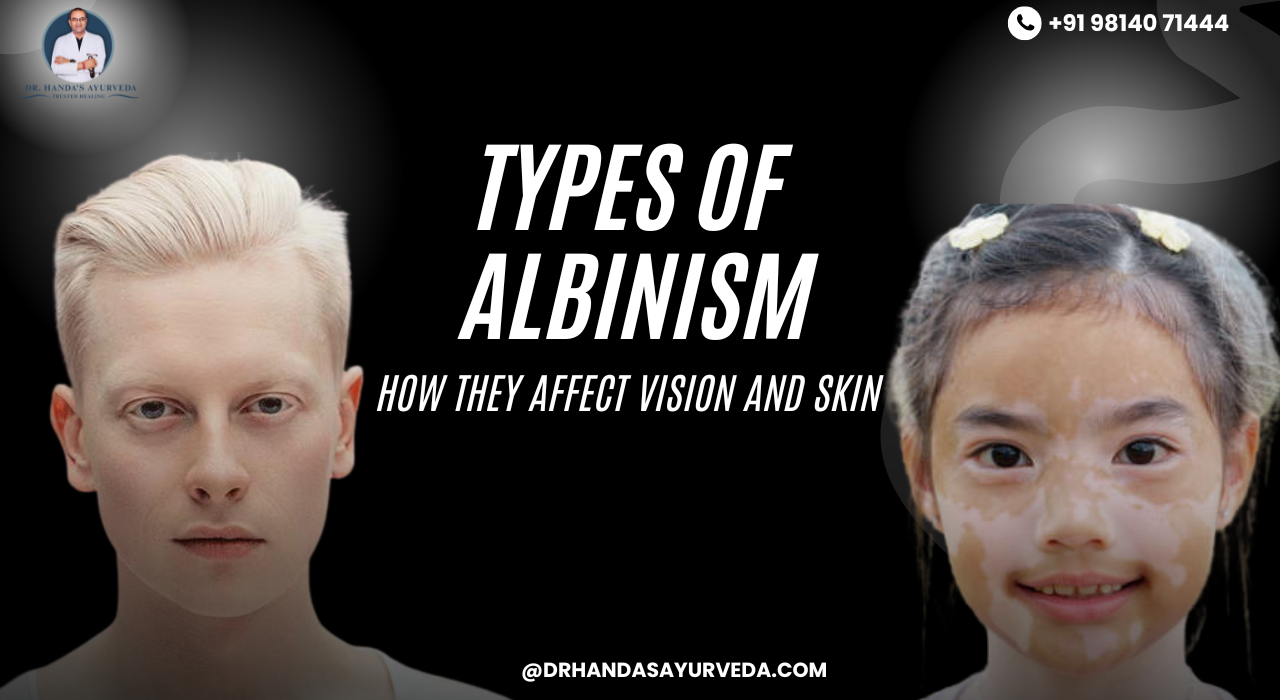
Albinism is a rare genetic condition that affects the body’s ability to produce melanin — the pigment responsible for coloring the skin, hair, and eyes. Melanin also plays an important role in the development of the eyes and protection against harmful ultraviolet (UV) rays. Because of reduced or absent melanin, individuals with albinism often experience vision problems and increased sensitivity to sunlight.
Understanding the different types of albinism can help families seek proper care, early diagnosis, and the right support. This article is for general awareness and educational purposes.
Table of Contents
ToggleWhat Causes Albinism?
Albinism is inherited, meaning it is passed from parents to children through genes. It is not contagious and is not caused by diet, lifestyle, or environmental factors. The condition occurs when there is a mutation in one of the genes involved in melanin production.
The severity of symptoms depends on the type of albinism and the level of melanin produced in the body.
Main Types of Albinism
1. Oculocutaneous Albinism (OCA)
Oculocutaneous albinism (OCA) is the most common type. It affects the skin, hair, and eyes. There are several subtypes (OCA1, OCA2, OCA3, OCA4), each caused by mutations in different genes.
How it affects the skin:
Very light or white skin tone
Hair ranging from white to light brown
Increased risk of sunburn
Higher risk of skin damage due to UV exposure
How it affects vision:
Reduced visual acuity
Nystagmus (involuntary eye movements)
Light sensitivity (photophobia)
Poor depth perception
Strabismus (misaligned eyes)
The degree of pigmentation and vision issues may vary depending on the subtype.
2. Ocular Albinism (OA)
Ocular albinism mainly affects the eyes, while skin and hair may appear normal or only slightly lighter than other family members.
Vision-related symptoms include:
Blurred vision
Light sensitivity
Nystagmus
Difficulty focusing
Because the skin may not be significantly affected, ocular albinism is sometimes diagnosed later when vision concerns become noticeable.
3. Hermansky-Pudlak Syndrome (HPS)
This is a rare and more complex form of albinism. Along with reduced pigmentation, individuals may experience:
Bleeding disorders
Lung or bowel complications
Vision problems similar to OCA
This type requires a multidisciplinary approach and regular monitoring.
4. Chediak-Higashi Syndrome
Another rare genetic condition associated with albinism features. It can cause:
Partial albinism
Weakened immune system
Frequent infections
Vision abnormalities
This type is serious and requires early intervention.
How Albinism Affects Vision
Melanin is crucial for proper eye development during pregnancy. When melanin production is reduced, certain parts of the eye may not develop fully. This can lead to:
Underdevelopment of the retina
Optic nerve misrouting
Reduced clarity of vision
While glasses, low-vision aids, and protective eyewear can help, vision may not be completely correctable to normal levels. Regular eye checkups are essential for managing symptoms.
How Albinism Affects the Skin
Since melanin protects against UV radiation, people with albinism are more vulnerable to:
Sunburn
Premature skin aging
Increased risk of skin cancer
Protective measures are extremely important, including:
Using broad-spectrum sunscreen
Wearing protective clothing
Avoiding prolonged sun exposure
Regular dermatological checkups
With proper care, many skin-related complications can be minimized.
Emotional and Social Impact
Beyond physical symptoms, individuals with albinism may face social stigma, bullying, or discrimination. Education and awareness are key to breaking myths and encouraging inclusion. Albinism is a genetic condition — not a curse, infection, or contagious disease.
Supportive Care and Holistic Awareness
Modern approaches focus on managing vision issues, skin protection, and genetic counseling. From a holistic perspective, maintaining overall immunity, skin nourishment, and eye function is also important.
Many families explore complementary approaches to support general well-being. For guidance rooted in traditional practices, consulting a leading Ayurvedic doctor in Ludhiana may help families understand supportive lifestyle habits, balanced nutrition, and natural ways to strengthen overall balance. Platforms such as Dr. Handa’s Ayurveda emphasize personalized care and holistic balance for various concerns. However, it is important to understand that albinism is genetic and cannot be “cured” by any therapy — management and supportive care are the main approaches.
Conclusion
Albinism is a lifelong genetic condition that primarily affects melanin production, leading to changes in skin, hair, and eye development. The main types include Oculocutaneous Albinism, Ocular Albinism, and rare syndromic forms like Hermansky-Pudlak and Chediak-Higashi syndromes.
While vision challenges and sun sensitivity are common, early identification, protective care, and regular follow-ups can significantly improve quality of life. Awareness, acceptance, and proper support systems play a vital role in helping individuals with albinism live confident and better lives.