Understanding the Different Types of Amyloidosis (AL, AA, Hereditary & ATTR)
Amyloidosis is a rare but serious disorder that occurs when an abnormal protein called amyloid builds up in tissues and organs. Over time, these deposits interfere with normal organ function. Because symptoms often develop gradually and may resemble other common conditions, amyloidosis is frequently diagnosed late. Understanding the different types of amyloidosis can help individuals recognize warning signs early and seek timely medical guidance.
Below is a simplified explanation of the four main types: AL, AA, Hereditary, and ATTR amyloidosis.
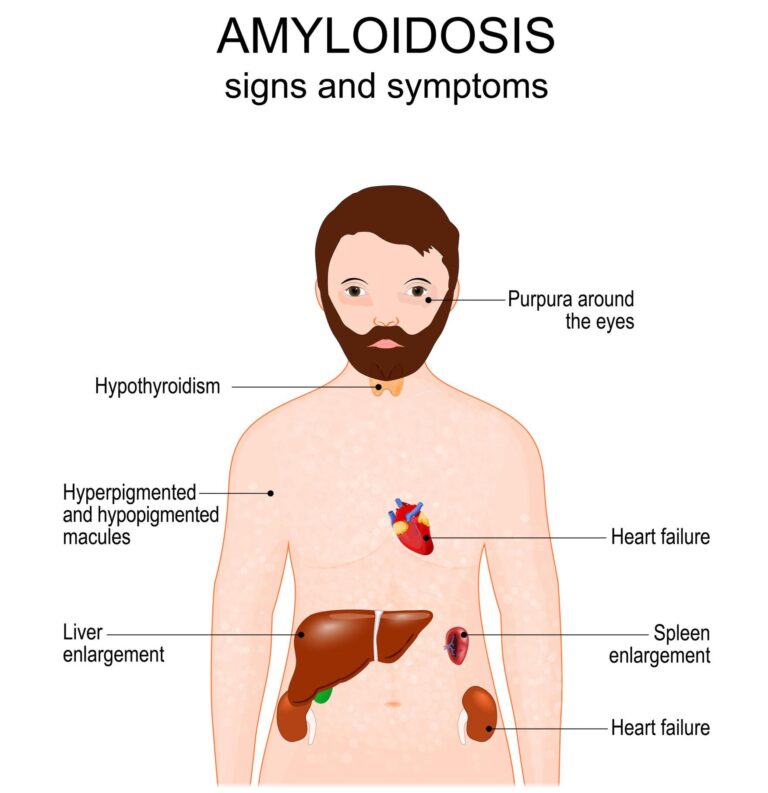
Table of Contents
Toggle1. AL Amyloidosis (Primary Amyloidosis)
AL amyloidosis is the most common type. “AL” stands for amyloid light-chain, referring to abnormal light-chain proteins produced by plasma cells in the bone marrow. This type is sometimes linked with blood disorders such as multiple myeloma.
Commonly Affected Organs:
- Kidneys
- Heart
- Liver
- Nerves
Symptoms May Include:
- Swelling in legs or ankles
- Fatigue and weakness
- Shortness of breath
- Numbness or tingling in hands and feet
AL amyloidosis can progress quickly, especially when the heart is involved. Early detection and appropriate treatment are crucial for improving outcomes.
2. AA Amyloidosis (Secondary Amyloidosis)
AA amyloidosis develops as a complication of chronic inflammatory conditions, such as rheumatoid arthritis, tuberculosis, or inflammatory bowel disease. Long-term inflammation causes the body to produce excessive amounts of a protein called serum amyloid A, which can accumulate in organs.
Commonly Affected Organs:
- Kidneys (most commonly)
- Liver
- Spleen
Symptoms May Include:
- Protein in urine
- Kidney dysfunction
- Swelling
- Digestive disturbances
Managing the underlying inflammatory disease is the key strategy in controlling AA amyloidosis.
3. Hereditary Amyloidosis (Familial Amyloidosis)
Hereditary amyloidosis is caused by genetic mutations passed from parents to children. These mutations lead to the production of abnormal proteins that form amyloid deposits. The most well-known hereditary type involves transthyretin (TTR) protein.
Commonly Affected Areas:
- Peripheral nerves
- Heart
- Kidneys
Symptoms May Include:
- Nerve pain
- Digestive issues
- Irregular heartbeat
- Weakness
Because this form runs in families, genetic counseling and testing may be recommended if there is a known family history.
4. ATTR Amyloidosis (Transthyretin Amyloidosis)
ATTR amyloidosis occurs when the transthyretin (TTR) protein, produced by the liver, becomes unstable and forms amyloid deposits. It can be either hereditary or age-related (wild-type ATTR).
Two Main Forms:
- Hereditary ATTR – due to genetic mutation
- Wild-type ATTR – typically seen in older adults without genetic mutation
Commonly Affected Organ:
Heart (Cardiac amyloidosis)
Symptoms May Include:
- Shortness of breath
- Irregular heartbeat
- Carpal tunnel syndrome
- Fatigue
ATTR-related cardiac amyloidosis is increasingly recognized as a cause of heart failure in older adults.
Why Early Diagnosis Matters
Amyloidosis is often underdiagnosed because its symptoms mimic other illnesses. Persistent fatigue, unexplained swelling, nerve issues, or heart-related symptoms should not be ignored. Doctors may use blood tests, urine tests, biopsies, imaging studies, and genetic testing to confirm the diagnosis.
The earlier the condition is identified, the better the chances of managing organ damage and improving quality of life.
Supportive Care & Holistic Perspective
While modern medicine focuses on targeting abnormal protein production and managing organ damage, supportive care plays a vital role in improving overall health. Maintaining a balanced diet, reducing inflammation, managing stress, and supporting immune health can complement medical treatment.
From an Ayurvedic awareness perspective, health is viewed as a balance of body, mind, and metabolism. Chronic inflammation and toxin accumulation are often considered contributing factors to long-term disorders. Consulting experienced practitioners, such as the Best Ayurvedic doctor in Ludhiana, may help patients explore supportive therapies aimed at strengthening immunity, improving digestion, and enhancing overall vitality.
Clinics like Dr. Handa’s Ayurveda (for general awareness) focus on personalized care, lifestyle guidance, herbal formulations, and holistic wellness approaches. However, it is important to remember that amyloidosis is a serious medical condition that requires proper diagnosis and monitoring by qualified healthcare professionals. Ayurveda can be considered as a complementary approach under medical supervision—not a replacement for conventional treatment.
Final Thoughts
Amyloidosis is a complex and rare disease with multiple types—AL, AA, Hereditary, and ATTR—each with different causes and patterns of organ involvement. Awareness of symptoms and risk factors can help in early detection. If you or a loved one experiences persistent unexplained symptoms, seeking timely medical evaluation is essential.
A combination of medical treatment, regular monitoring, healthy lifestyle habits, and holistic support may help improve overall quality of life for individuals living with amyloidosis.