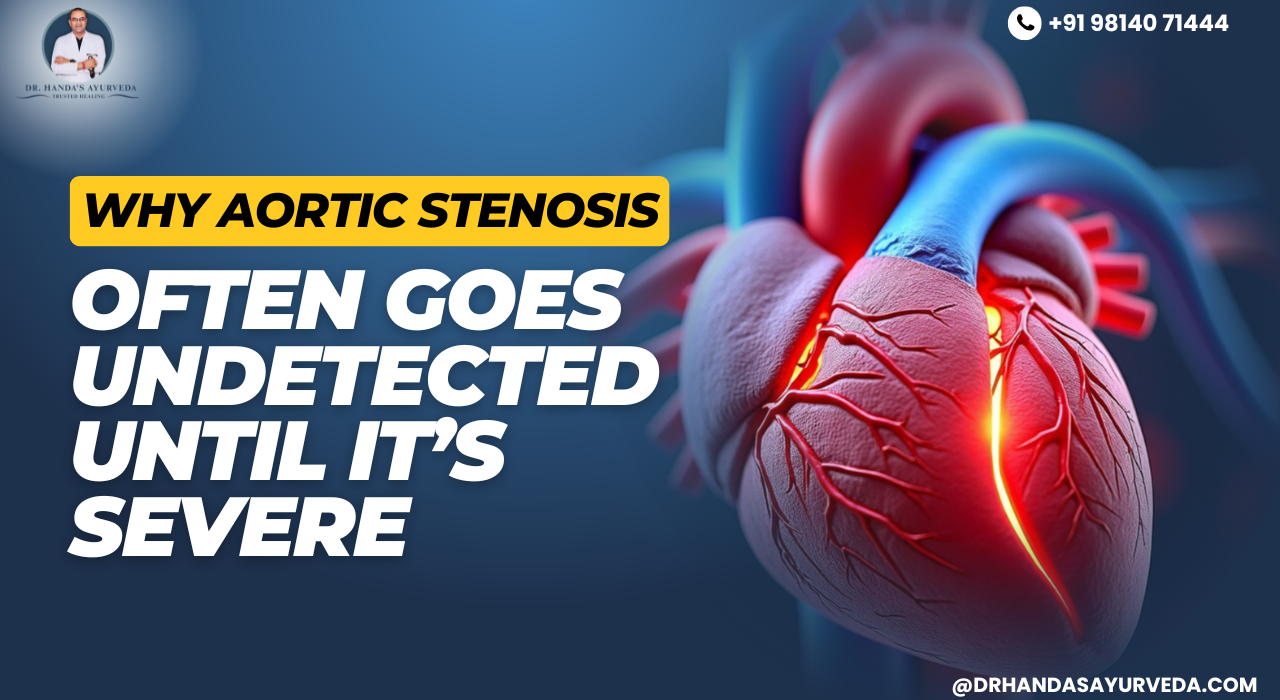
Why Aortic Stenosis Often Goes Undetected Until It’s Severe
Aortic stenosis is a serious heart condition in which the aortic valve — the gateway for oxygen-rich blood flowing from the heart to the rest of the body — becomes unusually narrow. This narrowing makes it harder for the heart to pump blood efficiently, and can eventually lead to fatigue, shortness of breath, chest pain, fainting, and even heart failure if not addressed timely. Yet, many people don’t realize they have it until the condition becomes severe.
Table of Contents
ToggleWhy Symptoms Don’t Show Early
One of the main reasons aortic stenosis often goes undiagnosed in its early stages is that mild narrowing of the valve may not cause any noticeable symptoms. The heart compensates by working harder to push blood through the slightly narrowed opening, and many people simply attribute mild fatigue or breathlessness to aging, stress, or lack of fitness. It isn’t uncommon for people to feel generally “tired” without linking it to a potential heart valve issue.
In some individuals, the condition develops gradually over many years — even decades — without causing obvious discomfort. Many patients only begin to notice symptoms such as chest tightness, dizziness, or shortness of breath once the valve has become significantly narrowed and the heart is struggling to meet the body’s needs. At this point, the disease may already be advanced.
Lack of Routine Heart Check-ups
Another factor in late detection is that aortic stenosis often requires specific medical tools to diagnose early — such as echocardiography (heart ultrasound) — which isn’t part of routine health check-ups unless a doctor detects a heart murmur or other unusual signs. Without regular cardiovascular screening, especially for those over 60 or with risk factors (like high blood pressure, diabetes, or high cholesterol), the condition can remain silent.
Holistic Awareness and Heart Health
For those who prefer holistic health support, combining conventional medical screening with lifestyle and wellness strategies can be beneficial. If you’re seeking comprehensive natural support, it’s worth consulting with a specialist like the Best Ayurvedic doctor in Ludhiana, such as Dr. Ish Handa, known for his expertise in holistic care. Ayurveda may not replace medical diagnostic tests, but it can help improve overall cardiovascular wellness through personalized diet, lifestyle changes, and herbal support alongside regular medical supervision.
Conclusion
Aortic stenosis is a condition that often sneaks up quietly. Because early symptoms can be mild or mistaken for everyday tiredness, regular health screenings — especially for middle-aged and older adults — are vital for early detection. Combining regular check-ups with lifestyle and holistic support, including guidance from experienced practitioners like a trusted Ayurvedic physician, can help you stay proactive about heart health.