
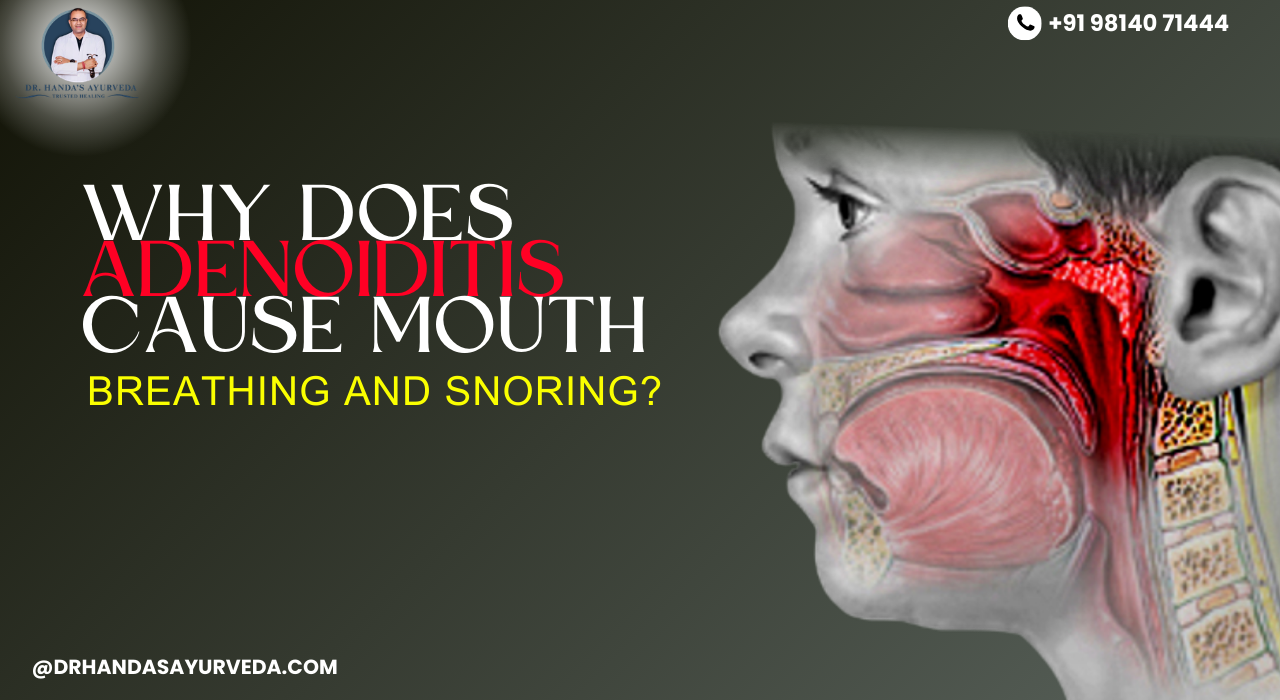
Why Does Adenoiditis Cause Mouth Breathing and Snoring?
Adenoiditis is a medical condition that involves inflammation or enlargement of the adenoids — a small patch of lymphatic tissue located at the back of the nasal cavity. While adenoids play a role in the immune system by filtering germs that enter through the nose, they can become problematic when they swell or become repeatedly infected. One of the most common complaints parents and patients notice is mouth breathing and snoring — but why does this happen? Let’s explore the connection in a way that’s easy to understand.
Table of Contents
ToggleWhat Are Adenoids and Why Do They Matter?
Adenoids are part of the body’s first line of defense against infection, especially in children. They sit high up behind the nose and, like tonsils, help trap bacteria and viruses. In children, especially between ages 2 and 6, adenoids are normally larger and gradually shrink by late childhood. However, chronic inflammation (adenoiditis) or repeated infections can cause them to stay enlarged.
When adenoids grow too large — a condition also known as adenoid hypertrophy — they can physically block or narrow the nasal passages, making it difficult for normal air flow through the nose. This is the root cause of many symptoms, including mouth breathing and snoring.
1. Nasal Obstruction Leads to Mouth Breathing
The most straightforward reason adenoiditis leads to mouth breathing is mechanical obstruction of the nasal airway. As the adenoids swell, they can press against the back of the nose, effectively narrowing or even blocking the pathway that air normally travels during breathing.
Because the nasal route becomes difficult, the body compensates by breathing through the mouth. Mouth breathing becomes the easier path to ensure that enough air reaches the lungs. Unfortunately, this type of breathing is inefficient compared to nasal breathing and leads to other issues such as:
Dry mouth and lips
Bad breath
Poor sleep quality
Throat irritation
If this pattern becomes persistent, it could potentially alter facial growth and jaw development in children, a condition sometimes called “adenoid facies.”
2. Snoring and Sleep-Disordered Breathing
When adenoids are enlarged, they don’t just block airflow — they also create turbulence in the air passing through the back of the throat during sleep. This noisy airflow is what we recognize as snoring.
During sleep, muscle tone naturally decreases, and the airway becomes even more prone to obstruction. The combination of reduced muscle support and enlarged adenoids increases resistance to airflow. As the air hits these obstructions, tissues in the throat vibrate, causing the sound of snoring.
In more severe cases, this obstruction can cause sleep apnea, a condition where breathing stops briefly and repeatedly during sleep — leading to fragmented sleep and daytime tiredness.
3. Why Adenoiditis Inflames the Adenoids
Understanding why adenoids become inflamed can help prevent chronic issues. Adenoiditis usually occurs because of:
Viral or bacterial infections
Allergies and sinus inflammation
Exposure to irritants such as smoke or pollutants
These factors trigger the immune reaction that causes the adenoids to swell as they fight off microbes. Over time, repeated inflammation can keep the tissues persistently enlarged.
What Can Be Done to Improve Breathing and Sleep?
If mouth breathing and snoring are caused by adenoid issues, addressing the underlying cause can help. Doctors may recommend:
Medical management with antibiotics or nasal sprays if infection is present.
Allergy management to reduce chronic inflammation.
Surgical solutions like adenoidectomy for severe or persistent obstruction.
Ayurvedic Perspectives and Holistic Care
While conventional ENT treatments are well established, many families also explore traditional systems like Ayurveda for supportive care. Ayurvedic approaches focus on reducing inflammation, boosting immunity, and improving respiratory health naturally. Herbs with anti-inflammatory and immune-supporting properties such as turmeric, licorice, and holy basil are widely used in Ayurvedic protocols.
For parents and individuals seeking holistic care, consulting with a qualified Ayurveda expert can offer individualized guidance. For example, seeking advice from the Best Ayurvedic doctor in Ludhiana can help tailor a treatment plan that considers diet, lifestyle, and herbal formulations aimed at supporting respiratory health and reducing chronic inflammation.
Final Thoughts
Mouth breathing and snoring aren’t just annoying symptoms — they’re often signs that the airway is compromised, particularly in children with adenoiditis. By understanding why these symptoms occur, families can take proactive steps to support better breathing and healthier sleep.
Whether you’re exploring conventional ENT care or holistic support through knowledgeable experts like the Best Ayurvedic doctor in Ludhiana, what matters most is early recognition and appropriate care — because clear breathing means better health and quality of life.