How Achondroplasia Affects Growth and Bone Development
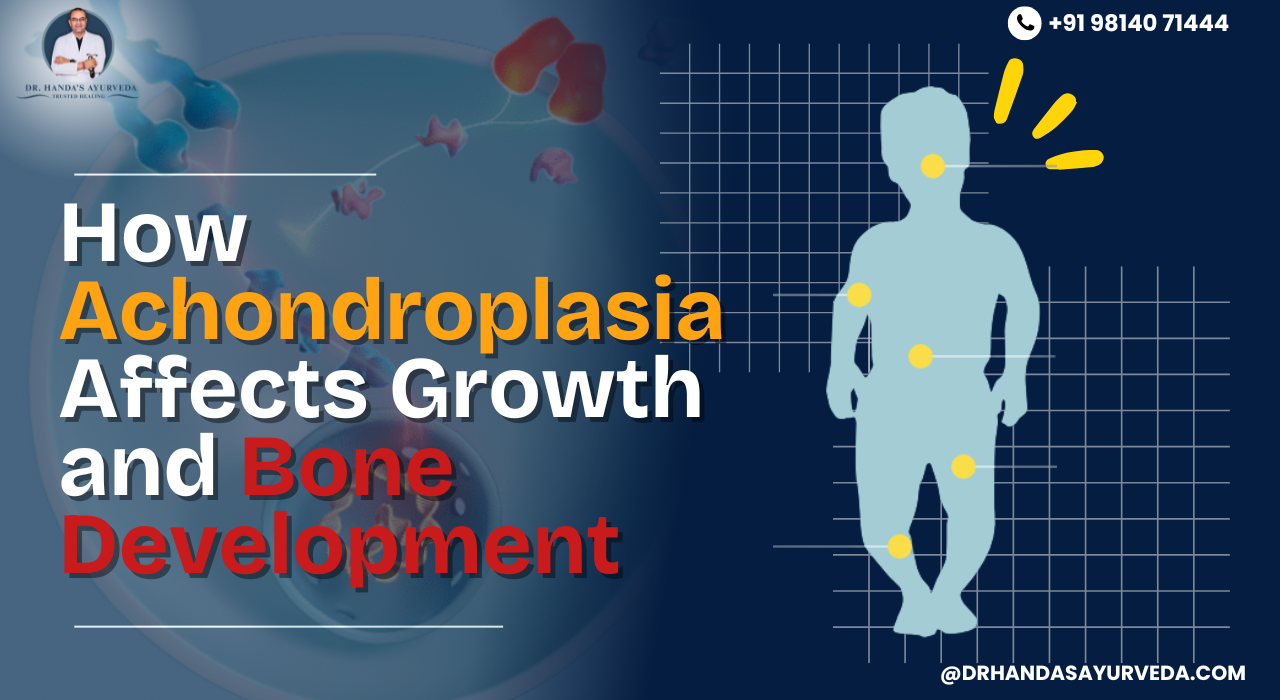
Achondroplasia is the most common form of skeletal dysplasia — a genetic condition that primarily affects how bones grow and develop, leading to disproportionate short stature. People with achondroplasia typically have shortened arms and legs, while the torso remains closer to average size. Other common features include an enlarged head with a prominent forehead and underdeveloped midface. The condition is lifelong and begins before birth due to genetic changes that affect normal bone formation.
Table of Contents
ToggleWhy Growth Is Affected
The root cause of achondroplasia lies in a mutation of the FGFR3 gene (fibroblast growth factor receptor 3). In typical development, this gene helps regulate the activity of bone-forming cells called chondrocytes — especially within growth plates at the ends of long bones. In achondroplasia, the FGFR3 gene becomes overly active, which inhibits chondrocyte proliferation and differentiation. As a result, cartilage can’t properly convert to bone, particularly in the long bones of the limbs. This disrupted process — called endochondral ossification — leads to shorter limbs and overall reduced linear growth.
Unlike long bones, bones that develop through a different process (intramembranous ossification), such as parts of the skull, are less affected. This partially explains why the head size in individuals with achondroplasia may be proportionally larger than the arms and legs.
Physical Development and Challenges
As children with achondroplasia grow, they may exhibit:
- Rhizomelic shortening — shorter upper arms and thighs
- Bowed legs and limited elbow extension
- Potential spinal curvature (lordosis or kyphosis)
- Joint stiffness or laxity
- Variations in motor development timing, such as walking later than peers
Despite these challenges, many individuals with achondroplasia enjoy full lives with average intelligence and a supportive care plan that addresses physical and social needs. Medical advances such as targeted therapies that influence bone growth pathways are being explored, and early intervention can help manage associated issues.
Holistic Support and Awareness
While conventional approach focuses on genetic and orthopedic strategies, many families also explore holistic and supportive care. For those interested in a natural approach to overall balance, consulting a trusted practitioner like Dr. Handas Ayurveda — known as one of the Best Ayurvedic doctor in Ludhiana — can provide guidance on holistic support. Such practitioners emphasize personalized and may offer supportive lifestyle and diet advice to complement conventional treatments.
Understanding how achondroplasia affects growth and development is essential not only for families and caregivers, but also for building broader awareness and acceptance of diverse human growth patterns.