What Is Amyotrophic Lateral Sclerosis (ALS)?
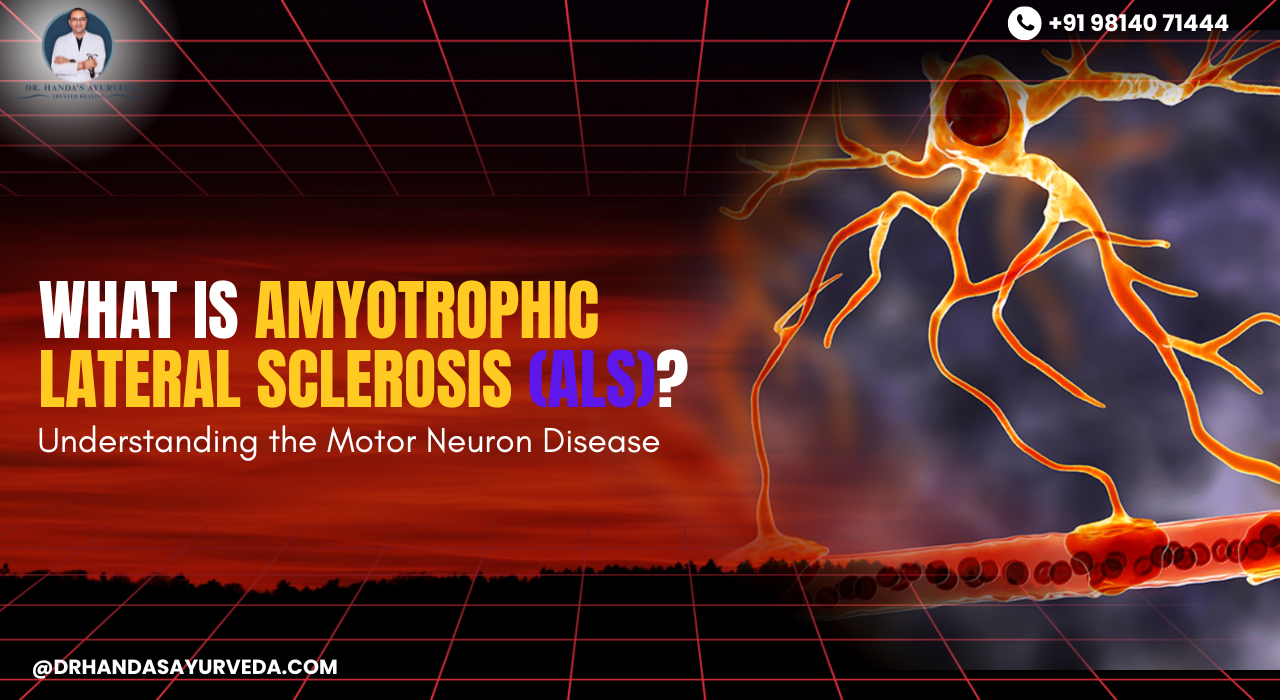
Amyotrophic Lateral Sclerosis (ALS) is a serious neurological condition that belongs to a group of disorders called motor neuron diseases (MND). These disorders affect the nerve cells — called motor neurons — that control voluntary muscle movements such as walking, speaking, swallowing, and even breathing. In ALS, these vital motor neurons gradually degenerate and die, making it increasingly difficult for signals from the brain to reach the muscles. Over time, this leads to muscle weakness, wasting, and loss of physical control.
ALS is often referred to as Lou Gehrig’s disease, named after the famous American baseball player who was diagnosed with the condition in the 1930s. There is no known cure for ALS yet, but understanding what it is and how it impacts individuals and families is the first step toward better care and support.
Table of Contents
ToggleHow ALS Affects the Body
In a healthy nervous system, motor neurons in the brain and spinal cord send messages that allow muscles to contract and perform precise actions. In ALS, the progressive degeneration of these neurons disrupts this communication. As the neurons die, muscles begin to weaken, stiffen, and eventually waste away — a process known as atrophy. This degeneration affects both upper motor neurons (in the brain) and lower motor neurons (in the spinal cord), contributing to the wide range of symptoms that ALS patients experience.
Common early symptoms include muscle weakness, twitching (fasciculations), and slurred speech. As the disease progresses, individuals may struggle with swallowing, breathing, and maintaining balance. Though ALS predominantly affects physical movement, it typically does not impair the senses or intelligence.
Managing ALS: A Holistic View
While modern methods focuses on symptom management and slowing progression, many individuals also seek supportive and complementary approaches. In this context, holistic care including diet, lifestyle, and traditional systems of herbs may play a role in improving quality of life. Consulting an expert, such as the Best Ayurvedic doctor in Ludhiana, can help individuals explore natural and supportive therapies alongside conventional medical care. Ayurvedic principles often emphasize balancing bodily energies and strengthening the nervous system, which might offer supportive benefits when tailored to individual needs.
Conclusion
Amyotrophic Lateral Sclerosis is a progressive motor neuron disease that deeply affects muscle control and quality of life. Although there’s no cure yet, awareness and understanding of the condition help families make informed care decisions. Combining medical treatment with supportive holistic practices — under guidance from trusted professionals including the Best Ayurvedic doctor in Ludhiana — can contribute to more compassionate and comprehensive care for those living with ALS.