
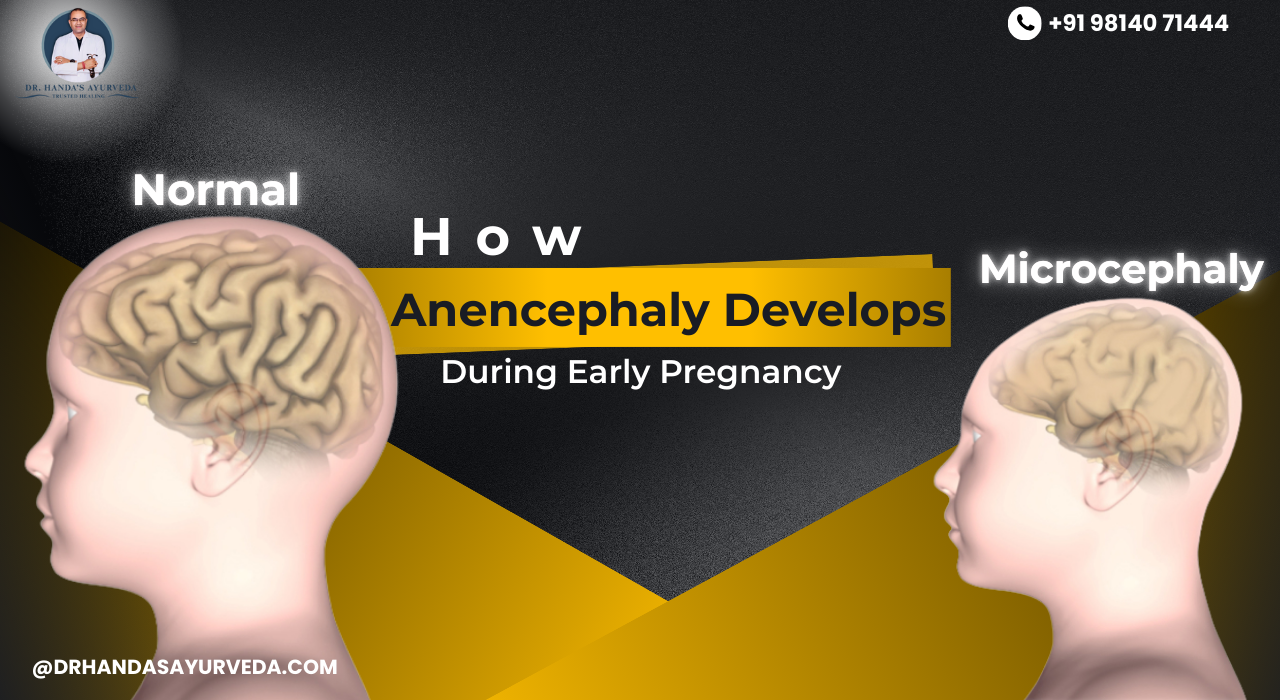
How Anencephaly Develops During Early Pregnancy
Anencephaly is a serious congenital condition that occurs very early in pregnancy, affecting the development of the brain and skull. It is classified as one of the neural tube defects (NTDs), a group of birth defects that happen when the neural tube—an embryonic structure that eventually forms the brain and spinal cord—fails to close properly. Normally, the neural tube begins to form soon after conception and is completely closed by about the third to fourth week of pregnancy, often before many women even realize they are pregnant. If the upper portion of the neural tube does not close, the major parts of the brain and skull that should develop from it cannot form correctly, leading to anencephaly.
During the early days of embryonic growth, the neural plate—a flat grouping of specialized cells—begins folding to form the neural tube. If this folding and fusion process is interrupted or incomplete at the head end of the tube, the fetus may lack the forebrain and other essential brain structures. Anencephaly can also result in the absence of the protective cranial vault (the skull), leaving what brain tissue does form exposed to the surrounding amniotic fluid, which can damage it further.
Several factors may influence this abnormal development. Genetic components, maternal conditions like diabetes or obesity, certain medications, and environmental influences can increase the risk of neural tube defects. Insufficient levels of folic acid (vitamin B9) before conception and in early pregnancy are a well-known risk factor that professionals emphasize preventing. Taking a daily folic acid supplement—ideally starting before pregnancy—is known to reduce the risk of neural tube defects, including anencephaly.
Importantly, while modern approach focuses on early diagnosis and neonatal support, some families also seek holistic guidance during pre-pregnancy and early pregnancy stages. Consulting with the Best Ayurvedic doctor in Ludhiana, such as those experienced in women’s support and fertility, may help couples with general prenatal strategies under a holistic framework.
Ayurveda emphasizes balanced nutrition, lifestyle modifications, and strengthening balance before conception. Experts recommend individualized dietary plans rich in natural folate sources, stress management, and body balance—all of which can be beneficial preparatory steps for pregnancy. While Ayurveda does not treat anencephaly directly, its supportive approach to women’s support and prenatal balance can be part of a broader approach.
In summary, anencephaly develops when the neural tube fails to close at a very early stage of pregnancy, usually within the first month after conception. Awareness of risk factors and preventive care—including proper nutrition and prenatal guidance—plays a vital role in early pregnancy.