Can Internal Adhesions Cause Chronic Pain?
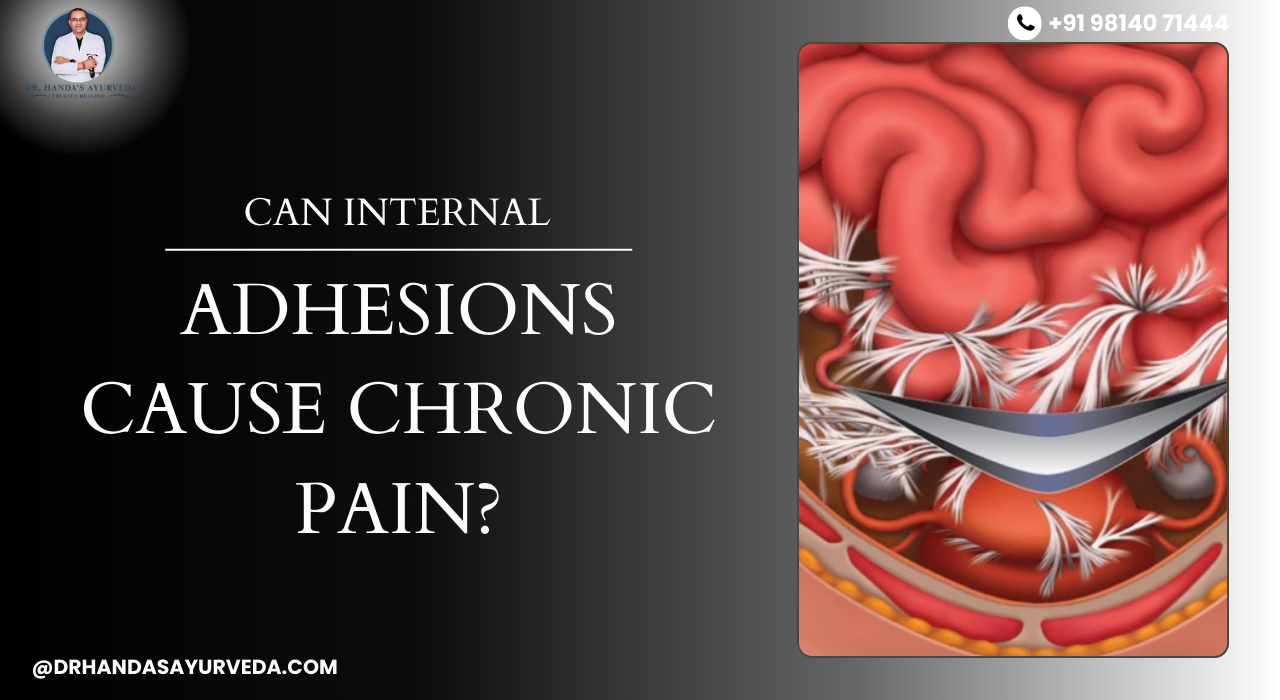
Internal adhesions are bands of scar tissue that form between organs and tissues inside the body after surgery, infection, inflammation, or injury. Unlike normal scar tissue on the skin, these internal scars connect things that should remain separate, potentially restricting movement and function within the abdomen or pelvis. While many people might never know they have adhesions, for some, these silent bands can become a source of chronic pain and discomfort.
Table of Contents
ToggleUnderstanding Internal Adhesions and Pain
According to Dr. Ish Handa, many patients suffer from long-term unexplained abdominal discomfort for years without realizing that internal adhesions may be contributing to their symptoms.
Adhesions most commonly form after abdominal or pelvic surgery. During recovery, the body creates scar tissue — but sometimes this tissue extends and binds organs like the intestines, uterus, or bladder to nearby structures. These abnormal connections can tug on nerves, stretch sensitive tissues, and interfere with normal organ movement.
Most people do not experience symptoms from adhesions. However, when symptoms are present — chronic pain is the most frequent and troubling. This pain is often described as:
A dull, ongoing ache deep in the abdomen or pelvis
Sharp or intermittent pains that come and go
Pain that worsens with certain movements, meals, or physical activity
Discomfort that has no clear explanation after evaluation.
Researchers believe that pain results from adhesions pulling on sensitive nerve endings or altering how organs move relative to each other — essentially restricting the smooth, gliding motion the abdomen and pelvic organs normally have.
Can Adhesions Really Cause Chronic Pain?
It can cause the chronic pain but not every patient has chronic pain even they have internal adhesions.
How it Cause the Chronic Pain
Organ mobility is impaired
Adhesions work like adhesive bands that impair the ability of intestines, uterus, or another organ to slide normally, thus causing constant traction and pulling pain.
Pressure and irritation on nerves
Pain can occur due to irritation on the nerves when the organ has been pulled from its natural place and results in dull pain or cramping sensations in the abdominal or pelvic region.
Adhesion-related syndrome
Certain individuals suffer from adhesion-related syndrome, which is characterized by chronic abdominal pain along with bloating associated with adhesions.
Types of chronic pain resulting from adhesions
Chronic pain in abdomen
The existence of adhesions is well recognized as a cause for chronic abdominal pain, usually following surgical procedures.
Chronic pelvic pain
Pelvic adhesions, particularly those involving the uterus, ovaries, or tubes, may result in chronic pelvic pain and also infertility issues.
Pain following surgery
Adhesions have been identified as one of the major causes of chronic pain following surgery.
Things to note about this condition
- It is quite common for individuals to have adhesions without experiencing any pain.
- There are other cases where adhesions have been known to be a true cause of chronic abdominal or pelvic pain.
- Various diagnostic methods can be employed to determine if the presence of adhesions is causing such pain.
Common Symptoms of Adhesion-Related Pain
Most internal adhesions cause no symptoms at all, and many people never know they have them.
When symptoms do appear, they usually affect the abdomen (tummy) or pelvis.
1. General symptoms:
- Abdominal pain or discomfort that occurs continuously or repeatedly.
- Repeated pain in cramps that come and go, at times worse after eating or exercising.
- A pulling sensation or “stitching” pain near previous incisions from surgery.
- Swelling in the abdominal area.
- Constipation or difficulty in releasing gas.
- Nausea accompanied by vomiting.
2. Symptoms of Chronic Pain due to Adhesions
- Chronic pain can be experienced by some people due to adhesions, particularly after abdominal or pelvic surgeries.
- Persistent belly or pelvic pain that lasts for several months or even years.
- Pain that increases depending on certain positions, physical activities, stretching, and lifting.
- Surgical site pain that is not consistent with imaging studies or other tests results.
- Sharp, burning pain that occurs when adhesions affect surrounding nerves.
- Chronic pain that interferes with sleep or affects quality of life.
3. Symptoms related to digestion (adhesions in the abdomen)
- Adhesions in the abdomen may cause difficulty in movement of the intestines, and thus partial or complete obstruction of the bowels may occur.
- Frequent bloating and flatulence particularly after food intake.
- Attacks of colic or spasmodic pain in the abdomen.
- Hardly passing stools; constipation.
- Early satiety and lack of appetite.
- In extreme cases: vomiting, failure to defecate or pass wind, and abdominal distension.
4. Symptoms affecting the pelvis or gynecology (pelvic adhesions)
- If there are adhesions present on the uterus, fallopian tubes, ovaries, or pelvis, there can be symptoms including:
- Persistent chronic pain that is often a deep pain.
- Pain experienced when having sex (dyspareunia).
- Period pains that are painful.
- Problems getting pregnant (subfertility/infertility).
5. Symptoms requiring urgent attention
- Certain symptoms indicate a life-threatening condition known as intestinal obstruction that requires immediate attention.
- Sudden, severe, and increasing crampy pain in the abdomen.
- Persistent vomiting with green or yellow vomiting.
- Bloated, distended abdomen without the ability to release gas and stool.
- Presence of fever, severe weakness, or dehydration with excessive dryness of the mouth and lack of urination.
Where Does Adhesion Pain Occur?
Pain from adhesions can vary based on where they form:
➡️ Abdominal adhesions often cause deep belly pain, bloating-like sensations, or irregular bowel habits.
➡️ Pelvic adhesions may lead to long-term pelvic discomfort, painful intercourse, or menstrual pain in women.
➡️ In rare cases, they can even contribute to intestinal blockages, which cause severe, sudden pain and require emergency care.
Unlike some musculoskeletal pain that stays localized and consistent, adhesion-related discomfort can be diffuse, vague, and difficult to pinpoint, which often delays diagnosis or causes misinterpretation as other conditions.
How Are Adhesions Diagnosed?
One challenge with adhesions is that standard imaging tests like X-rays or CT scans often cannot directly detect them. Even MRI may fail to show them unless specialised techniques are used. Diagnosis relies heavily on:
✔️ A detailed history (especially prior procedures)
✔ Physical exam and symptom assessment
✔ Ruling out other causes of chronic abdominal or pelvic pain
Sometimes adhesions are only discovered during exploratory surgery or laparoscopy — especially when they are causing serious complications like bowel obstruction or severe pain.
Ayurveda’s View on Restoration and Internal Scarring
While modern approaches focuses on symptom management, minimally invasive surgery, or pain control, Ayurveda takes a holistic approach — aiming to balance bodily imbalances that contribute to chronic pain.
Ayurveda views scar tissue, inflammation, and dysfunctional internal movement as manifestations of underlying dosha imbalance, particularly aggravated Vata dosha, which governs movement and circulation in the body. Yoga, dietary adjustments, and targeted therapies help calm these imbalances, potentially reducing pain and improving quality of life.
Herbal formulations, detoxification regimens (like Panchakarma), and individualized plans can support digestion, reduce inflammation, and help the body restore more effectively.
Finding Support Through Ayurveda — Ayurvedic Expert in Punjab
If you’re seeking a holistic and natural path to manage chronic pain linked to internal scar tissue or adhesions, you may consider consulting an experienced Ayurvedic practitioner.
One such option is
👉 Dr. Handa’s Ayurveda Clinic, led by Dr. Ish Handa — a highly respected and experienced practitioner with over 17 years in Ayurvedic herbs.
Dr. Handa is known for a patient-centered, roots-first approach, using traditional herbal formulations, personalized lifestyle recommendations, and therapies that not only aim to ease symptoms but also strengthen internal balance. This makes him a trusted choice when patients search for the Best Ayurvedic doctor in Ludhiana.
Lifestyle Tips to Support Internal Balance
Alongside professional care, here are supportive habits that may help:
✅ Gentle movement and stretching to support mobility
✅ Warm, balanced meals that ease digestion
✅ Herbs known for anti-inflammatory properties (under practitioner guidance)
✅ Mind–body practices like meditation and yoga for pain modulation
Natural and Ayurvedic detox/support for symptoms
While there is no proven “detox” that can dissolve existing adhesions, some people find Ayurvedic and natural gut‑supportive practices helpful for managing bloating, digestion, and mild adhesion‑related discomfort. These approaches focus on gentle cleansing, improved digestion, and reducing inflammation rather than “flushing out” adhesions directly.
Common Ayurvedic and natural strategies include:
Light, warm, easily digestible meals (avoiding heavy, oily, and processed foods)
Herbal teas and spices like ginger, cumin, coriander, and fennel
Gentle lifestyle practices such as walking, yoga, and stress reduction
Traditional Ayurvedic detox ideas like Panchakarma under professional supervision
If you want a practical, Ayurveda‑based overview of natural detox and gut‑support strategies that may help with adhesion‑related symptoms, you can read more here:
Natural live detox using natural and Ayurvedic ways
Final Thoughts
Internal adhesions can cause chronic pain — especially when they restrict normal organ movement or irritate nerve pathways. While this condition can be complex to diagnose, awareness is the first step toward better management.
Combining modern insight with ancient holistic wisdom — such as that offered by experienced Ayurvedic doctors like the Best Ayurvedic doctor in Ludhiana — empowers you to approach chronic pain with both symptom relief and long-term balance in mind.