A Healthy Diet for Fatty Liver Repair: Foods to Eat & Avoid
Fatty liver is the most common condition at present times. Accumulation of fatty acids inside the cells of liver prevents its normal functioning. If fatty liver disease is left untreated, there can be a number of severe outcomes from the condition such as liver inflammation, damage, scar tissue formation, fibrosis and even cirrhosis of the liver. There is a lot of room for improvement in this area of lifestyle and diet interventions.
Leafy greens, fruits, oats, and nuts are commonly recognized as one of the top foods which are believed to reduce fatty liver naturally. A healthy diet for fatty liver can help support liver function and reduce fat buildup naturally.
This article discusses good foods that may support liver function, foods that are commonly limited in fatty liver diets, and dietary habits that support balanced nutrition and overall liver function. Fatty liver diet meal plan is also included to give you complete information.
Two Categories Of Fatty Liver Disease
There is early warning signs that liver start giving us when our lifestyle and eating habit is bad. You can read our symptoms of liver problems article. It has mentioned symptoms for all three stages of liver – that is inflammation (hepatitis), fibrosis (scarring), and cirrhosis (severe scarring/liver failure).
Non-Alcoholic Fatty Liver Disease (NAFLD)
If the person has diabetes, or high cholesterol, unhealthy food habit, or sit for long time without doing any exercise then there is high chances of building fat inside the liver. this condition is called Non-Alcoholic Fatty Liver Disease – NAFLD. When someone has this liver disease, they suffer from fatigue, bloating, stomach pain, indigestion, or unexpected weight gain.
With healthier food choices, regular walking or exercise, and better daily habits may help the liver work better and support recovery over time.
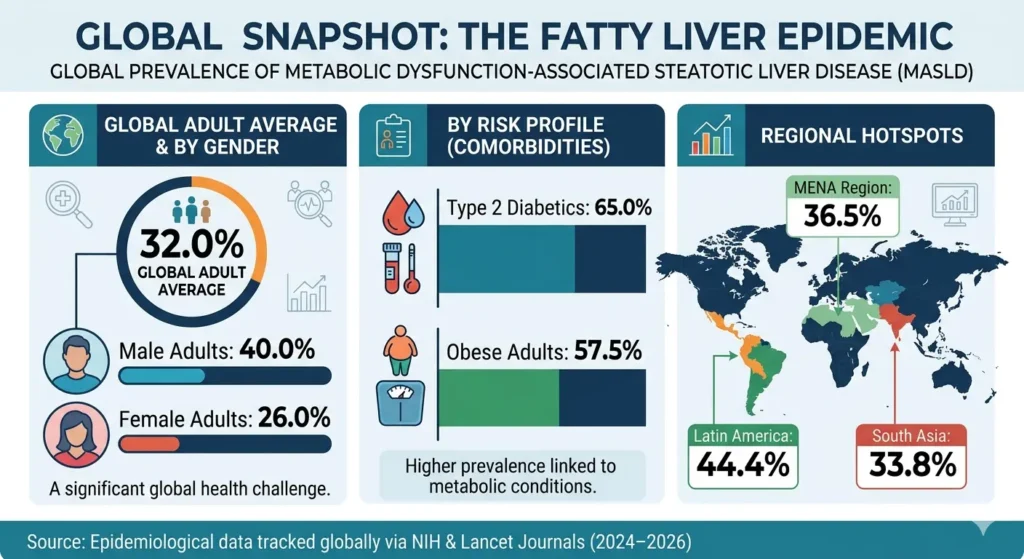
With studies suggesting that nearly 30% of adults globally may be affected by non-alcoholic fatty liver disease (NAFLD).
A study by Zobair M. Younossi published in the medical journal Hepatology in 2023 highlighted the growing prevalence of NAFLD worldwide.
Alcoholic Fatty Liver Disease
A healthy liver metabolizes the alcohol easily. But prolonged and excessive consumption of alcohol will cause the Alcoholic Fatty Liver Disease which is more problematic. Too much alcohol can cause fat buildup inside the cells of the liver leading to reduced functionality and causing liver inflammation.
This liver condition is one of the earliest forms of liver diseases associated with alcohol. In most situations, alcoholic fatty liver disease could be reversible with early intervention in form of quitting alcohol consumption and following a healthy lifestyle.
Long term use of alcohol can have bad effect on liver which lead to fatty liver and develop into other forms of alcohol-related liver diseases, including alcoholic hepatitis, fibrosis, and cirrhosis.
By Improving patient’s diet and regular exercise may reduce liver fat and support normal liver function.
What Is a Healthy Diet for Fatty Liver?
The goal of a healthy diet for person with a liver disease, is to help in the avoidance of rapid build up of fat on the liver, as well as helping with digestion and metabolism. A healthy diet to a liver disease patient comprises a range of different fruits, vegetables, grains, proteins, fats and also foods that have a high content of sugar, are deep fried and are man made. By taking the correct diet to a liver disease patient, and living a healthy lifestyle can aid the body in working correctly.
The main idea of a healthy dietary plan when it comes to fatty liver disease is to ensure that nutrition goals are met while taking minimal stress on the body organ, and thethe diet should include foods that support long-term liver function. A proper fatty liver diet should consist of a healthy dietary plan together with physical exercises.
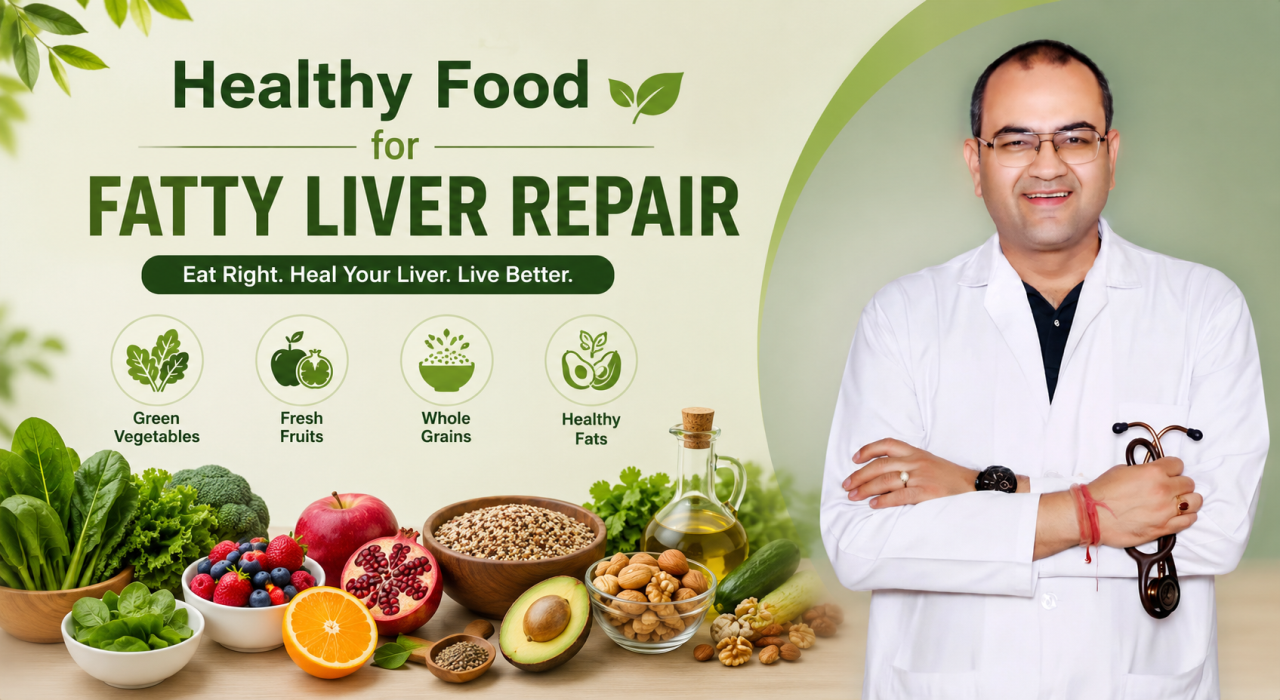
There will be plenty of green vegetables, fresh seasonal fruits, oats, brown rice, beans, nuts, and healthy oils. For those who wish to delve into scientific research, the National Library of Medicine of the U.S.A has this article.
Problems to the liver may be caused by sweet drinks, foods high in sugar, prepackaged food, alcohol and processed food. You will have to avoid these foods, disregard them or cut them. A healthy diet for the liver will contain well-balanced food that can perhaps aid the digestive system.
Which Vegetables Are Good for Fatty Liver?
Daily consumption of vegetables helps to enhance the diet and living quality of fatty liver disease. Vegetables can form an important part of a healthy fatty liver diet for fatty liver, as it is abundant in dietary fiber, vitamin, mineral and anti-oxidant elements, all of which promote digestion, metabolism, and liver function normalization. It is found that green and fresh fruit also plays a significant role in healthy liver diet with abundance in fiber, anti-oxidant element, vitamin etc.
One commonly asked question is which vegetable is beneficial for fatty liver. The common answers usually fall under the category of green leafy vegetables, fiber-rich vegetables and in-season fresh produce. Some of the commonly consumed vegetables that help to support a healthy digestive function and promote reduction in accumulated excess fat in the liver are spinach, broccoli, cabbage, bottle gourd, bitter gourd, beetroot and fenugreek leaves.
Green Vegetables
Green vegetables have antioxidants, vitamins, and fiber that can help in digestion and the repair of the liver. It is possible that green vegetables can help in reducing fat accumulation in the liver.
Spinach
Among the most nutritious foods that contain high amounts of iron, antioxidants, and phytochemicals, spinach is also considered as one of those foods often recommended for consumption by people who want to keep their livers healthy due to the presence of antioxidants and nutrients in them.
Methi
The fenugreek or methi is quite popularly used in Indian dishes and it is also a belief that methi can improve the metabolism and control the sugar levels in the blood. In addition, methi is a great source of fiber and it can even aid in regulating metabolism along with fatty liver.
Sarson
It is another green leafy vegetable which is rich in antioxidant elements, vitamins etc which are useful for your natural liver cleaning.
Kale
This super food contains a lot of vitamins like the Vitamin C, K etc which is highly responsible in clearing the body of the toxins and harmful elements.
Broccoli
This food source is high in fiber content and is also a great provider of plant based compounds which is very useful for fatty liver treatment as well as improving the digestive system. Broccoli can be steamed and lightly cooked so that problems to the digestive system may be reduced.
Cabbage
It is a cruciferous veggie which is not only really very low in calories but is also loaded with a lot of antioxidants and fiber.
Bottle Gourd (Lauki)
Lauki or Bottle Gourd It is one of the easiest vegetables to digest and very hydrating. It helps in reducing digestive load.
Bitter Gourd (Karela)
Bitter gourd is known to promote metabolic rate, thus improving blood sugar balance. It is usually recommended in the case of fatty liver caused due to diabetes.
Coriander Leaves
It possesses good antioxidant properties, it is used to stimulate proper food digestion, can be added to salad, soups, chutney or for garnish.
Mint Leaves
The effects of mint are soothing to the gut, and thus they prevent bloating in patients with fatty liver. The mint can be taken in form of drinks or foods.
Drumstick Leaves (Moringa)
The leaves of drumstick contain numerous nutrients, antioxidants, vitamins, and minerals. This works effectively in providing support to immune system and protecting liver.
Green Beans
They contain dietary fiber with reduced fat contents. Green beans also support effective digestion of food and maintain healthy body weight.
Lettuce
Lettuce is refreshing and is very low in calories. It helps support hydration, hence is usually recommended for fatty liver patients.
Celery
Celery has much water content which is vital in ensuring proper metabolism takes place.
What Fruits Are Good for Fatty Liver?
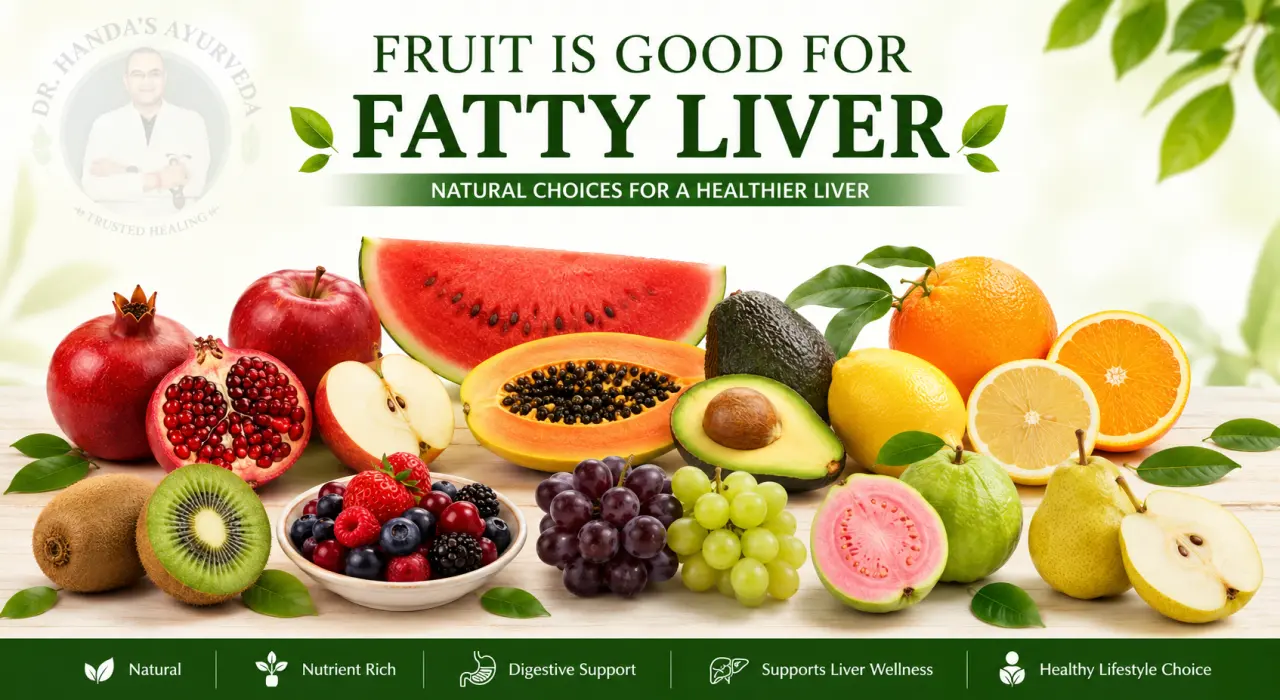
Vitamins, antioxidants, hydration, and fiber can be acquired from fresh fruits, which are beneficial to digestion and liver health. Most vitamin C rich fruits and antioxidants fruits are prescribed in the diet for fatty liver.
Important note: Fruits are to be eaten in moderation in general and specifically if they have diabetes or insulin resistance.
Pomegranate
It may promote antioxidant effects that reduce the negative impact of oxidative stress on liver cells and their function.
Apples
The apple consists of fiber and antioxidants that will help to support digestion and fat removal from the liver. Also, they are good in terms of maintaining your cholesterol levels.
Watermelon
Watermelon consists of a lot of water that hydrates your body, prevents dehydration, and promotes digestion since it is also easily digested.
Kiwi
This fruit includes vitamin C, fiber, and many other antioxidants that positively affect digestion and metabolic well-being.
Papaya
Papaya is easy to digest and is commonly included in liver-friendly diets. Therefore, it is a common recommendation to include it in a liver-favorable diet.
Avocado
Antioxidants, healthy fats are some of the components in avocados (NYC Health, n.d.). Consume them in moderation to protect oneself from inflammation; hence keep heart disease and liver issues at bay.
Lemon
Warm lemon juice is one of the most widely consumed liquids in morning formulas, as lemons are also a stimulant of digestion.
Oranges
Oranges are rich in vitamin C and hydration-supporting nutrients that may support immune function.
Berries.
Blueberries, blackberries, and strawberries. They are rich in antioxidant-rich, plant compounds that can help reduce inflammation within the body.
Grapes.
They are dark-colored and have an antioxidant named resveratrol in them, that may support normal liver function and the whole body.
Guava.
Fruits that are very rich in fiber and vitamin C. They also help in the regulation of glucose levels in blood and also help in the process of digestion.
Pears.
The pears can be easily digested due to high content of fiber, which may help support regular bowel movements. Amla (Indian Gooseberry). It is a rich source of vitamin C, as well as the other compounds like antioxidants, that can aid in the working of the liver and also boost the immune system of the body.
Amla (Indian Gooseberry)
Amla contains vitamin C and antioxidants that may have benefits to promote healthy liver and overall immune functions.
Best Suggestions For Eating Fruit In Fatty Liver
Integrate fruit with a well-balanced diet and healthy lifestyle. Fresh fruits provide a contribution to a healthy fatty liver diet if enjoyed in small quantities.
- Fresh whole fruit rather than bottled juices
- Seasonal fruit as a selection choice
- Limit added sugar and syrups
- When taking fruits take fruit portions reasonably
Best Foods to Reduce Fatty Liver
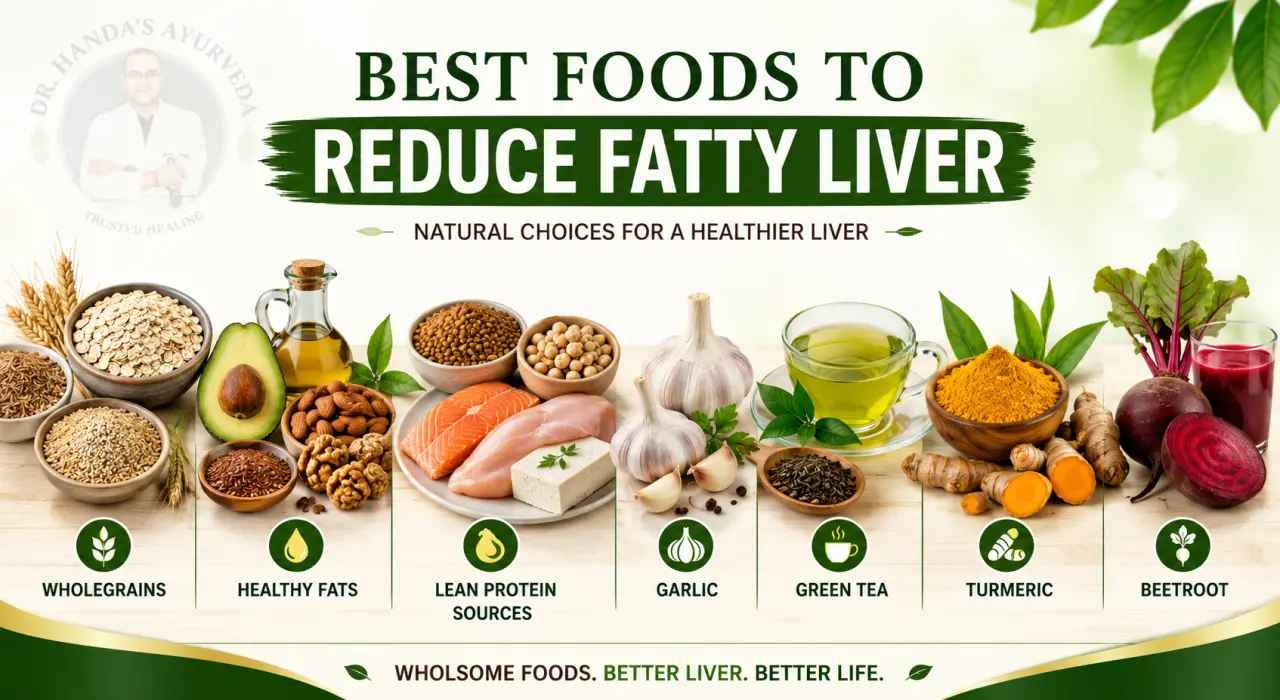
Replacing fast food with balanced, nutritious meals may support healthy metabolism Meals that contain fiber, fresh fruits and vegetables, along with low consumption of sugar, are significant components of healthy eating for patients suffering from liver diseases. Many of the ingredients typically found within this kind of diet for the liver, contain many of the elements previously discussed, such as whole grains, a good source of protein, leafy vegetables, garlic, beet roots and green tea.
Wholegrains
Wholegrains are a good source of fiber which will keep blood sugars stable. You should try and switch refined carbohydrates if you have fatty liver disease.
The wholegrain is one of the most commonly cited among the best foods to reduce fatty liver as the fiber that it contains aids digestion.
Include:
- Oats
- Brown rice
- Quinoa
- Whole wheat
- Barley
Healthy Fats
Not all fats are bad though. The healthy fats might help to prevent inflammation and heart or liver disease. Healthy fats include things like nuts, flax seeds, olive oil-which are always found in the best foods to help you prevent fatty liver disease. These include healthy fats such as:
- Olive oil
- Flaxseed
- Chia seeds
- Walnuts
- Almonds
- Avocados
Omega 3 fatty acids found in seeds and nuts may also help to reduce levels of fat in the liver.
Lean Protein Sources
Protein also plays a role in tissue repair and muscle mass during weight loss. Protein sources should not be taken fried or as a heavily processed product, due to the negative effect this will have on a person with fatty liver. Lean protein sources are commonly added to diets rich in the best foods to reduce fatty liver as part of a generally healthy and nutritional diet.
Healthy protein sources include:
- Lentils
- Beans
- Chickpeas
- Tofu
- Fish
- Skinless chicken
- Low-fat dairy products
6. Garlic
It has properties that can help to reduce body fat, support liver function and has anti inflammatory and antioxidant properties. This can be easily incorporated into diet as part of daily cooking.
7. Green Tea
Green tea has antioxidants known as catechins that may help to support the liver’s fat processing, the antioxidants may help reduce the risk of liver damage and fatty liver in adults, especially if the drinker maintains a healthy weight. If consuming with tea try to reduce any added sugar as these can cause issues for a fatty liver.
8. Turmeric
It has an active compound, curcumin which is an antioxidant and anti inflammatory that may also benefit liver function. The additive can be added to food such as vegetable and soup based dishes, curries or to warm milk.
9. Beetroot
Beetroots contain antioxidants, and nitrates, these may enhance blood circulation, and help liver function. It may also aid in fighting inflammation. Consume it raw, as a juice or cooked, or a raw salad. Take care with beetroot drinks as these often have added sugar.
Drink Plenty Of Water
A person’s body requires sufficient amounts of water to be able to function correctly and healthily. Drinking a sufficient amount of water will assist the process of digestion and metabolizing. It is recommended that a person suffering from fatty liver should maintain their intake of water during the course of the day, but minimize their consumption of sweetened drinks. Drinking sufficient water along with frequent exercise is part of a good fatty liver diet which contributes positively to the liver for long-term health.
Foods To Avoid In Fatty Liver
For most of people a diet that is good for fatty liver also includes eating less deep fried foods, sugar and alcohol. And eating fewer snacks, particularly which are processed which might further burden the liver.
Therefore, it is recommended that to eat the following foods to protect your liver health: Less fried snacks, less sugar drinks, added with food that are good for fatty liver, may be beneficial to your liver health.
Sugary Foods and Drinks
An excess amount of sugar is a significant contributing factor to fatty liver disease. A large amount of consumed sugar can lead to more fat production by the liver. Limiting – Soft drinks – Store-bought fruit juices – Candy – Cakes – Pastries – Ice cream may help reduce excess fat intake. You should also be aware of “hidden” sugars within processed foods.
2. Fried Foods
A diet full of deep fried items indicates a very high level of consumption of fat and calories and this will put stress on your liver and could be a cause for your obesity. Cut down on-
- French fries
- Fried snacks
- Chips
- Fast foods
- Deep fried meats in your daily routine.
These foods should be replaced with steamed, baked, light sauteed and grilled meals.
3. Refined Carbohydrates
Most of these are likely to cause a quick spike in your blood sugar and also can lead to fat being stored in the body. These should be avoiding/limiting –
- White bread,
- White rice,
- Refined pasta,
- Most baked goods
You must replace these refined carbohydrates with whole grains which would be a far more nutritious alternative.
4. Processed Foods
Process food normally contains large amount of bad fat, preservative, sugar and even salt in a large quantity. Reduce your intake of
- Instant noodles
- Processed meats
- frozen ready meals
- Packaged snacks
You need to opt for home made and fresh food.
5. Excess Salt
Eating a high dose of salt may result in your body retaining water as well as other complications. You may want to reduce intake of:
- Pickles
- Chips (which have processed flavors added)
- Store-bought sauces
- Canned foods
Utilize natural herbs and spices for added flavor instead.
6. Alcohol
Alcohol itself puts an already weakened liver under strain and is also capable of inducing greater damage. It would be advisable to have zero intake of alcohol unless your dietitian or professional indicates otherwise, for fatty liver disease patients.
Fatty Liver Diet Meal Plan
Well-planned healthy eating with healthy foods for fatty liver is beneficial for digestive health, digestion, metabolism and liver function in the long term. Efficient diet for liver will help in proper eating schedule and water intake leading to efficient digestion and metabolism.
Morning
- Lukewarm water
- Oats with nuts and seeds
Mid-Morning Snack
- Green tea
- Papaya or apple
Lunch
- Brown rice/whole wheat roti
- Lentils
- Mixed vegetables
- Salad
Evening Snack
- Roasted chickpeas
- Herbal tea
Dinner
- Soup of vegetables
- Tofu/ fish grilling
- Steamed vegetables
Before Bed
- Lukewarm turmeric milk (low fat)
NOTE: The following fatty liver diet meal plan can help the patient maintain a good diet for fatty liver: The meal plan includes nutritious meals and foods suitable for fatty liver such as green leafy vegetables, fruits, and fiber-rich foods.
Lifestyle Choices To Boost Liver Function
Daily workout routine, better sleep quality and healthy liver diet will likely enhance liver well-being and promote a healthy lifestyle over the long term. Other than the diet aspect, below are the alternative that will improve liver functions.
- Sufficient sleep
- Reduce stress
- Avoid smoking
- Maintain physically active life
- Monitor blood sugar and cholesterol level
- Consistent regular checkups will be vital for a liver’s healing since it is slow to recover.
You can also explore our article on ayurvedic and natural approaches for liver function and lifestyle support. The article discusses ayurvedic and natural approaches related to liver function and lifestyle habits.
Best Dietary Habits for Fatty Liver Recovery
Eat Small, Balanced Meals
Rather than consuming big meals, smaller, well-balanced meals may aid in the management of digestion as well as the regulation of blood sugar.
Maintain A Healthy Weight
The management of body weight is one of the most successful approaches to decrease liver fat, with slow weight loss generally better than quick crash dieting to reduce the liver strain.
Increase Physical Activity
The daily regimen of exercise stimulates metabolism and assists in the reduction of liver fat.
Examples of exercises helpful in liver disease
Walking
Cycling
Yoga
Strength training
Light jogging
Just 30 minutes of light exercise each day may also be beneficial. In addition to general exercise and drinking sufficient water, a good diet can also help to maintain natural function of the liver over a prolonged period.
Don’t Eat Late At Night
Eating too late at night may inhibit your digestion and metabolism, whereas by limiting the large snack that you may have before bed and eating earlier in the day, may benefit your liver.
Focus On Food Prepared At Home
Home prepared meals help regulate oil, salt, and sugar. It is usually better and safer than restaurant and processed food.
You can also explore our article on ayurvedic and natural approaches for liver function and supportive lifestyle guidance.
When To Consult Ayurvedic Practitioner or Doctor
A fatty liver disease is often without symptoms, however, if you experience the following, consult a ayurvedic practitioner for guidance.
- Fatigue that does not go away
- Stomach pain
- Yellowish eyes or skin (jaundice)
- Swelling (edema)
- Unexpected changes in weight
- Digestion issues
A doctor or ayurvedic professional will advise on relevant tests and will guide you regarding appropriate dietary and care approaches.
Final Advice From Dr. Ish Handa On Healthy Diet For Fatty Liver
Healthy and proper diet are key elements to recover from fatty liver and make it healthier. It is advisable to opt for fresh vegetables, fruits, whole grains, lean meat and healthy fats instead of the sugary, fried and processed items so that the fat and inflammation can decrease in the liver. Healthy eating habits and regular physical activity may help support long-term liver function.
Physical activities, good sleep and a proper diet for liver combined altogether result in the healthy body. To make the liver healthier over years, gradual changes are needed to be done. As every individual has different needs, professional diagnosis and tailored treatment is always suggested.