How Aphasia Affects Speech, Reading, and Writing
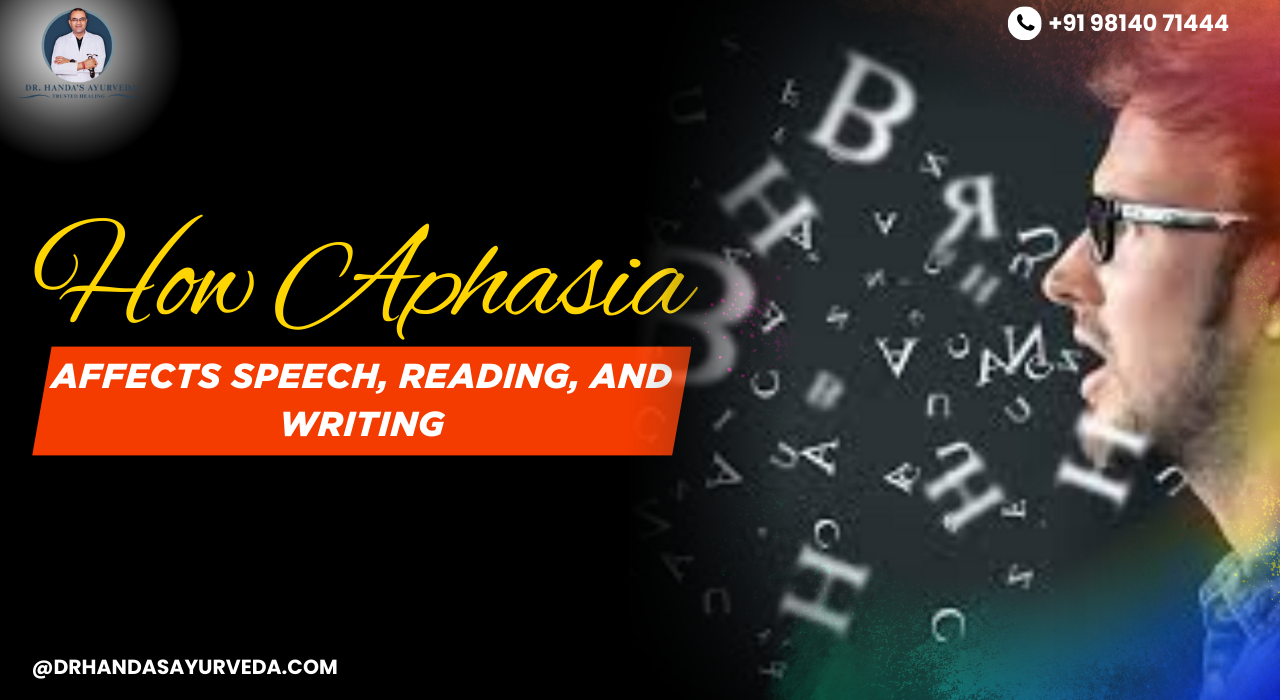
Aphasia is a language disorder that affects millions of people worldwide and can profoundly impact a person’s ability to communicate. It usually occurs after damage to the language-dominant areas of the brain, often due to a stroke, head injury, or neurological condition. Importantly, aphasia affects speech, reading, and writing, while the person’s intelligence remains intact — making the communication difficulty especially frustrating both for patients and their loved ones.
Impact on Speech
One of the most noticeable effects of aphasia is on spoken language. Individuals with aphasia often struggle to find the right words, form sentences, or express themselves clearly. Some may use short and incomplete sentences, while others may substitute or invent words that don’t fit the intended meaning. This difficulty, known as anomia, makes it hard to hold conversations and express thoughts effectively.
Challenges in Reading
Reading also becomes difficult for people with aphasia. Even if they used to enjoy reading books or newspapers before, the brain’s impaired language networks make it hard to understand written sentences, recognize words, or follow the flow of text. This can significantly affect daily life, from reading simple signs to understanding medical instructions.
Writing Difficulties
Writing is another skill that can deteriorate with aphasia. The same language processing areas of the brain that support speech generally also support writing. As a result, individuals might struggle to spell correctly, form sentences, or organize written thoughts logically. These challenges can affect everything from casual notes to more important written communication.
Understanding and Support
Living with aphasia requires patience and tailored support. Speech-language therapies focus on improving communication and helping individuals adapt to their challenges. Support from family, friends, and healthcare professionals is crucial for maintaining confidence and connection in everyday life.
For those looking for holistic and supportive care as part of a broader health journey in India, it’s worth being aware of practitioners such as the Best Ayurvedic doctor in Ludhiana, like Dr. Ish Handa. His clinic focuses on holistic well-being and natural approaches to health concerns, which may help complement traditional rehabilitation efforts.
In conclusion, aphasia is more than just a speech problem — it affects how a person reads, writes, and interacts with the world. Awareness, early diagnosis, and supportive care are key to helping people with aphasia lead fulfilling lives.