What is Fatty Liver
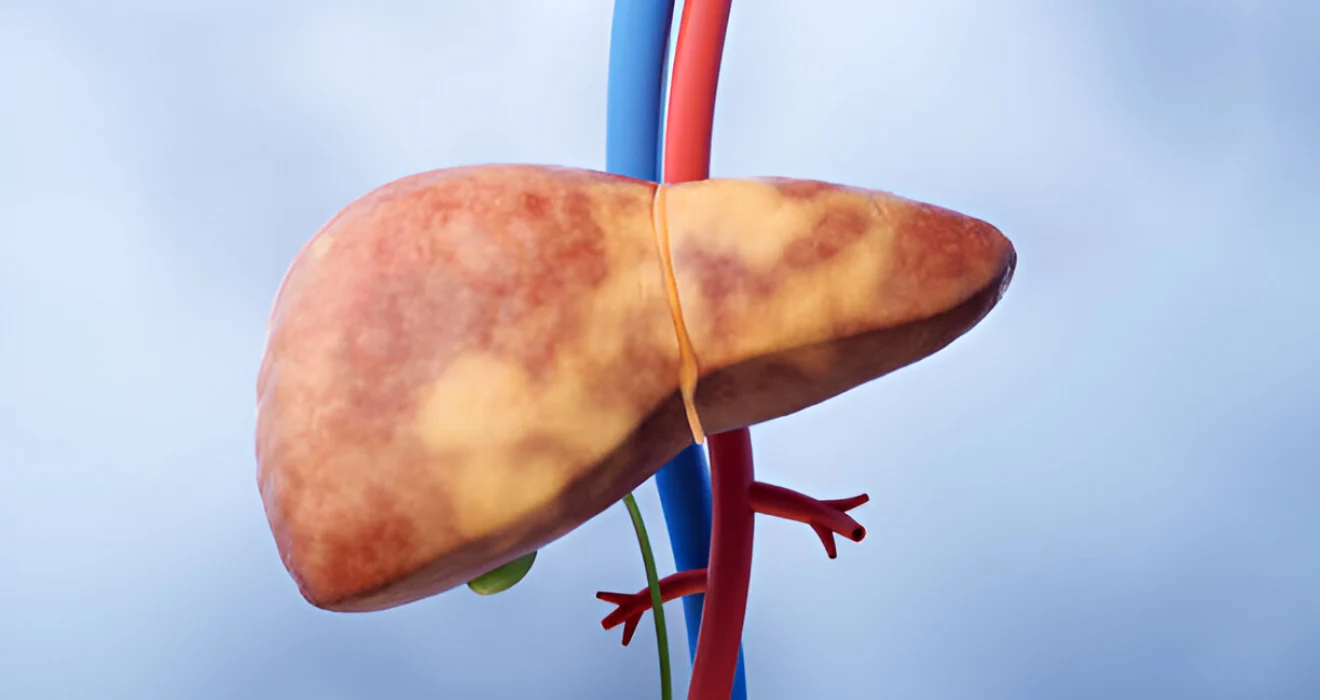
Fatty liver, also known as hepatic steatosis, is a condition where fat accumulates in the liver cells, leading to various body-related concerns. To understand fatty liver, it's important to know a bit about the liver itself.
The liver is one of the largest organs in the body and plays a crucial role in processing nutrients, filtering toxins from the blood, and producing essential substances like bile, which helps digest fats. However, when too much fat builds up in the liver, it can interfere with its normal functions.
Fatty liver can be classified into two main types: alcoholic fatty liver disease (AFLD) and non-alcoholic fatty liver disease (NAFLD). As the names suggest, AFLD is caused by excessive alcohol consumption, while NAFLD occurs in people who don't drink heavily. NAFLD is further divided into two categories: non-alcoholic fatty liver (NAFL) and non-alcoholic steatohepatitis (NASH).
NAFL is generally considered less severe, involving fat accumulation in the liver without inflammation or liver cell damage. However, NASH is more serious, as it involves inflammation and liver cell damage, which can progress to fibrosis (scarring) and eventually cirrhosis, a severe liver condition.
What Causes Fatty Liver?
Poor diet: Consuming excessive fats, sugars, and refined carbohydrates can contribute to the development of fatty liver.
Obesity: Being overweight or obese is a significant risk factor for NAFLD. Excess body fat, especially around the abdomen, can increase the accumulation of fat in the liver.
Insulin resistance: When the body becomes resistant to insulin, a hormone that regulates blood sugar levels, it can lead to increased fat accumulation in the liver.
Type 2 diabetes: People with diabetes are at a higher risk of developing NAFLD due to insulin resistance and other metabolic factors.
Genetics: Some genetic factors can predispose individuals to fatty liver disease.
Certain medications: Some medications, such as corticosteroids, tamoxifen, and methotrexate, can contribute to the development of fatty liver.
Now, let's talk about the symptoms. In many cases, fatty liver doesn't cause any noticeable symptoms, especially in the early stages. However, as the condition progresses, symptoms may include:
- Fatigue
- Weakness
- Abdominal discomfort or pain
- Swelling in the abdomen
- Jaundice (yellowing of the skin and eyes)
- Dark urine
- Loss of appetite
- Unintended weight loss
Diagnosing fatty liver typically involves a combination of medical history, physical examination, blood tests, imaging tests (such as ultrasound, CT scan, or MRI), and sometimes a liver biopsy.
The good news is that fatty liver can often be managed and even reversed with lifestyle changes. These may include:
- Adopting a balanced diet rich in fruits, vegetables, whole grains, and lean proteins.
- Limiting intake of saturated fats, sugars, and refined carbohydrates.
- Maintaining an ideal weight through regular exercise.
In more severe cases, additional support methods or other approaches may be necessary to manage symptoms and prevent complications.
In conclusion, fatty liver is a condition where excess fat accumulates in the liver, leading to various body-related concerns. It can be caused by factors such as poor diet, obesity, insulin resistance, genetics, and certain medications. Although it may not cause noticeable symptoms in the early stages, fatty liver can progress to more serious liver conditions if not managed in time. However, with lifestyle changes and proper management, fatty liver can often be reversed, highlighting the importance of early detection and intervention.
- Hepatitis
- Fatty Liver
- Hepatomegaly
Why choose Dr. Ish Handa to detox your fatty liver naturally?
Are you looking for a reliable solution to address fatty liver concerns? Look no further than Dr. Handa's Ayurveda clinic, where Dr. Ish Handa, an experienced practitioner, offers comprehensive assessment and solutions for fatty liver conditions. With his expertise in Ayurveda, Dr. Handa employs traditional holistic approaches to accurately diagnose and effectively manage fatty liver issues, ensuring the best possible outcomes for his patients.
When you search for "Fatty liver doctor near me," Dr. Handa's clinic emerges as a trusted destination, providing personalized care tailored to individual needs. With a focus on natural remedies and lifestyle modifications, Dr. Handa offers a holistic approach to liver support, aiming to address the root cause of fatty liver while promoting overall balance.
Moreover, Dr. Handa's Ayurveda clinic offers the best liver detox formulation, carefully crafted to support liver function and facilitate the elimination of toxins from the body. These Ayurvedic remedies harness the power of herbs and natural ingredients to cleanse and rejuvenate the liver, supporting optimal liver function and balance.
If you're seeking effective solutions for fatty liver, trust Dr. Handa's expertise and the holistic approach of Ayurveda to guide you towards improved liver function and overall balance.
Dr. Ish Handa, an Ayurveda expert with over 17 years of experience, offers consultations at an incredibly affordable rate of just ₹500, reflecting his commitment to accessibility and seasoned guidance.
Doctor Handa tailors the treatment to the patient's needs, offering either Ayurvedic or allopathic medicine as required.
No, we don't offer remote consultations. It's important to check a person's pulse, blood pressure, and sugar level before the consultation, which can't be done remotely. We prioritize thorough assessment for the best care.
Yes, Ayurveda can help manage fatty liver naturally.
It is a natural method to cleanse toxins and improve liver function using herbs and diet.
Yes, Ayurvedic detox is safe when done under expert guidance.
It depends on condition but improvements can be seen in a few weeks.