
Sexual Timing Reduced or Gone Completely? Understanding the Causes and Ayurvedic Perspective
A lot of men get concerned about themselves if there is a sudden change in their sexual timing that is now limited to a few seconds or even seems to have vanished completely. This problem can create a lot of issues for men, affecting both their confidence levels and their sexual life.
According to Ayurvedic principles, reduced sexual timing may be associated with factors such as physical weakness, chronic stress, unhealthy lifestyle habits, poor sleep, and imbalances that affect overall vitality and well-being. The good news is that many men may improve their sexual wellness through appropriate lifestyle changes, stress management, and professional guidance
Reduced sexual timing is one of the most commonly reported sexual problems in men, but it is often linked to broader factors such as stress, lifestyle habits, emotional well-being, and overall health.
Sexual timing problems are often manageable when the root causes are properly identified and treated.
Premature ejaculation is considered one of the most common male sexual disorders worldwide, with studies estimating a prevalence of approximately 30% among men.
What Does Reduced Sexual Timing Mean?
Reduced sexual timing generally refers to a noticeable decrease in the duration a man is able to maintain control before ejaculation during intimacy. Some men describe it as ejaculation occurring much earlier than expected, while others feel their timing has reduced so much that it affects their confidence and relationship satisfaction.
The condition may develop gradually over months or years, or it may appear suddenly following a stressful life event, illness, or significant lifestyle change.
Signs That Should Not Be Ignored
- Ejaculation occurs immediately after stimulation.
- Sexual timing has become significantly shorter than before.
- The individual is unable to maintain control during intimacy.
- Confidence has declined due to repeated performance issues.
- Sexual satisfaction for either partner has been affected.
Although many men experience this issue at some point in their lives, persistent symptoms should not be ignored.
Common Reasons Sexual Timing Becomes Very Short
Performance during sexual activity can be determined by a range of factors such as physical, emotional, hormonal, neurological as well as lifestyle.
The disruption in any of these domains will have an effect on sexual timing. Many times this problem does not result from one particular cause but from many different causes combined.
This knowledge of the different causes helps in developing the proper ways of overcoming the problem.
Excessive Stress and Mental Pressure
In today’s world, a lot of pressure is put on people. The issues with money, family problems, stress at work, and anxiety all contribute to affecting sexual performance.
The stress produces increased amounts of some hormones that can negatively influence sexual performance.
Performance Anxiety
Men tend to become extremely preoccupied with their ability to perform sexually. Such an attitude causes a vicious circle of anxiety leading to premature ejaculation.
Lack of Physical Fitness
Poor physical health can influence blood circulation, stamina, hormonal balance, and overall energy levels.
Factors include:
- Sedentary lifestyle
- Obesity
- Lack of exercise
- Poor sleep quality
Hormonal Imbalances
Hormones play a vital role in sexual wellness. Reduced testosterone levels or other hormonal disturbances may affect libido, confidence, and performance. Factors such as aging, chronic stress, poor sleep, obesity, and certain medical conditions can contribute to hormonal changes. Identifying and addressing hormonal imbalances may be an important step in supporting overall sexual wellness and quality of life.
Lifestyle Habits
The daily activities of one’s life play a major role in affecting one’s sexual health and wellbeing. Activities that include poor sleeping habits, not being physically active, smoking, drinking excessively, and poor eating habits can slowly reduce one’s energy and stamina and even cause sexual dysfunction. Stress, which is common in today’s fast-paced lifestyle, and irregular routines may be the reasons behind decreased sexual timing and confidence.
Certain habits can negatively impact sexual health:
- Smoking
- Excessive alcohol consumption
- Irregular sleep patterns
- Unhealthy diet
- Lack of physical activity
Underlying Medical Conditions
There exist a few medical conditions that may have adverse effects on sexual health and may possibly be the reasons for sexual timing or sexual performance problems.
Conditions like diabetes, high blood pressure, obesity, hormonal imbalances, thyroid-related illnesses, and heart diseases among others may have an effect on blood flow, nervous system, hormones, and energy levels, among other bodily functions. In some situations, the drugs being administered to treat such medical conditions may also play a role in sexual health.
Some medical conditions may contribute to reduced sexual timing, including:
- Diabetes
- High blood pressure
- Obesity
- Thyroid disorders
- Neurological conditions
A proper evaluation is important when symptoms persist.
The Emotional Impact of Reduced Sexual Timing
Sexual performance concerns can affect more than physical intimacy. Research published by the National Institutes of Health indicates that premature ejaculation may negatively impact self-esteem, confidence, relationship satisfaction, and overall quality of life.
Sexual performance concerns can affect more than physical intimacy. Research indicates that premature ejaculation may negatively impact self-esteem, confidence, relationship satisfaction, and overall quality of life.
Source: National Institutes of Health
It is typical for men to feel frustrated, embarrassed, and uncertain about themselves once they have realized that there has been some kind of drop in their performance. As a result, the negative psychological effects of such feelings may lower self-confidence, lead to pre-intimacy anxiety, and put pressure on personal relationships.
Sometimes, people avoid having intimate relations at all out of the fear that they might disappoint their partner. Dr. Ish Handa suggests that emotional issues should not be neglected.
Men may experience:
- Loss of confidence
- Relationship stress
- Feelings of embarrassment
- Reduced self-esteem
- Anxiety before intimacy
Ignoring these emotional aspects can sometimes worsen the problem.
How Ayurveda Views Sexual Wellness
Sexual health in Ayurveda is seen as an indication of good general health, not as a separate issue. According to Ayurvedic beliefs, nutrition, digestion, quality of sleep, stress, lifestyle, and vitality affect one’s sexual health. Instead of considering sexual health separately from other aspects of a person’s life and concentrating solely on symptoms, the goal of Ayurveda is to uncover and deal with the causes.
Ayurvedic sexual health revolves around the body’s physical and psychological balance. The approach adopted does not try to find a solution for the symptoms, but rather help the body deal with the physiological changes in the body.
The concept of having a healthy body involves maintaining its balance and strength. Imbalances of these aspects can affect the performance of the reproductive system.
According to Dr. Ish Handa’s clinical experience, men who focus on improving sleep quality, stress management, physical activity, and overall health often see broader improvements in their overall well-being and confidence.
A personalized approach is often considered important because each individual’s health profile and contributing factors may be different.
Rather than focusing on symptoms alone, Ayurveda emphasizes:
Key Ayurvedic Principles Related to Sexual Wellness
- Sexual Health – Sexual health is closely related to one’s overall state of health.
- Shukra Dhatu – It is thought that reproductive health requires a balanced nutrition and sustenance of tissues in the body.
- Good Digestion – The importance of good digestion is stressed when talking about maintenance of strength and stamina.
- Mental Wellbeing – The state of mind is also important for sexual health, as stress can affect sexual functioning.
- Doshas and Their Balance – Ayurveda puts much emphasis on balance among the doshas, which include vat, pitt, and kaph.
- Lifestyle and Habits – Having a healthy lifestyle including healthy sleep and exercise regime promotes longevity.
- Tailored Advice – Usually, Ayurvedic advice is personalized according to one’s individual health situation.
- Focus on Root Causes – The focus is made on the root cause of the problem, and not just its manifestations.
Lifestyle Changes That May Help Improve Sexual Timing
Improve Sleep Quality
Proper sleep is key to ensuring optimal health, hormonal balance, energy, and sexual well-being. Sleeping poorly may lead to increased levels of stress, impaired body healing, and low moods and endurance, which may be factors influencing poor sexual function. Aim for 7–8 hours of restful sleep each night.
Exercise Regularly
Exercise has proven to be helpful not only for overall physical well-being but also for good sexual well-being. Engaging in exercises will help you have better blood circulation, increased stamina, proper hormonal balance, and decreased stress level, thus playing a vital role in your sexual well-being.
Walking, jogging, cycling, yoga, and even strength training can aid in having better physical and energy well-being. Physical activity supports circulation, stamina, and overall health.
Manage Stress
Stress affects both the mind and body, and sexual health is one aspect of that. Worries, workplace problems, relationship difficulties can turn up anxiety, and reduce confidence during intimate moments. Managing stress through relaxation, meditation, yoga, exercise, and ample sleep improves all around health and keeps things from getting too out of sync.
Scientific evidence suggests that psychological factors such as anxiety, stress, and performance pressure are commonly associated with premature ejaculation and reduced sexual satisfaction.
Oxford Academic / Sexual Medicine Open Access
Things that help you manage stress are:
- Meditation
- Deep breathing exercises
- Yoga
- Mindfulness practices
Maintain a Balanced Diet
A nutritious diet supports energy levels and general wellness. Consuming good foods such as fruits, vegetables, whole grains, healthy fats, proteins etc, may increase physical strength and energy.
But it is known that eating excessive junk foods, sugar drinks, bad fats, could have negative impacts on health status. Nutrition plays an important part in sexual health as well.
Avoid Harmful Habits
Certain lifestyle habits could negatively impact health and your sex life. Certain lifestyle behaviors such as smoking may affect your blood flow within the body. Other lifestyle behaviors like drinking too much might affect the physical function of your body, and hormonals, decreasing your vigor and stamina. Poor eating, sleep habits, and being physically inactive are other lifestyle habits that may impact vigor and stamina.
Can Sexual Timing Be Improved Naturally?
In many cases, positive lifestyle changes may support improvements in overall sexual wellness.
Some commonly recommended approaches include:
- Maintaining a healthy body weight
- Following a balanced diet
- Exercising regularly
- Managing stress effectively
- Getting adequate sleep
- Limiting smoking and alcohol consumption
- Practicing relaxation techniques such as yoga and meditation
Improvement often requires consistency and patience rather than expecting immediate results.
Dr. Ish Handa’s Clinical Observations
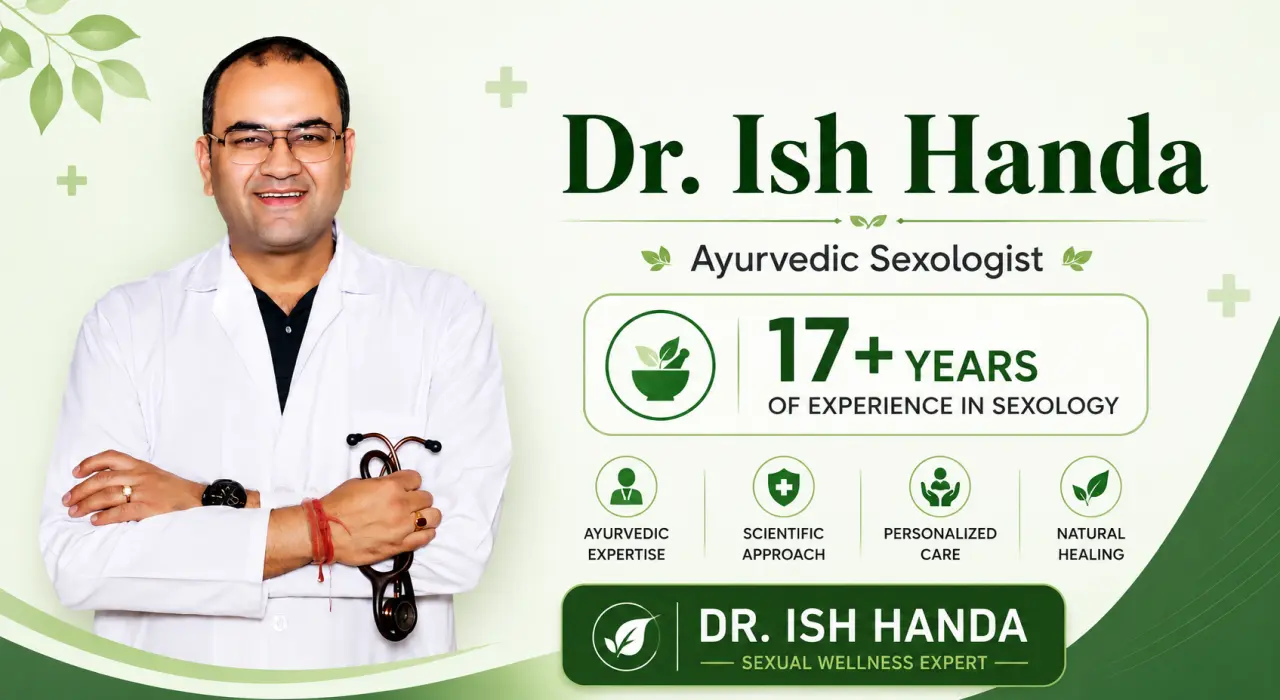
Dr. Ish Handa, an Ayurvedic sexologist, has observed recurring patterns among men experiencing reduced sexual timing over more than 17 years of Ayurvedic clinical practice, including chronic stress, poor sleep, sedentary lifestyles, and unmanaged health conditions.
Based on his clinical expertise, he mentions that the reasons such as stress, lack of good sleeping habits, unhealthy eating practices, no exercise, and lack of care about certain health conditions often coexist in individuals facing difficulties with sexual well-being.
It is important to note that Dr. Ish Handa believes that one needs to find out the reasons causing these symptoms rather than only treating the symptom itself.
According to Dr. Ish Handa, one of the most common mistakes men make is focusing only on sexual timing while ignoring important factors such as sleep quality, stress levels, physical fitness, and overall health. In many cases, addressing these underlying issues becomes an important part of improving overall sexual wellness.
If you are facing sexual timing issues or other men’s wellness concerns, consult Dr. Ish Handa’s team today. Early guidance can help identify potential causes and provide personalized support for improving confidence, vitality, and overall sexual wellness.
When Should You Seek Professional Guidance?
Many men experiencing premature ejaculation do not seek treatment, often due to embarrassment, stigma, or the belief that the problem will improve on its own.
— According to the International Society for Sexual Medicine (ISSM),
While occasional changes in sexual performance can occur due to stress, fatigue, or temporary lifestyle factors, persistent concerns should not be ignored. Seeking professional guidance can help identify potential underlying causes and provide appropriate recommendations based on your individual health needs. Consider consulting a qualified healthcare professional if:
- Sexual timing has significantly decreased.
- Symptoms persist for several months.
- The issue affects your confidence or relationship.
- You have underlying medical conditions.
- You experience additional sexual health concerns.
Early assessment often helps identify contributing factors and appropriate management options.
According to Dr. Ish Handa, many men put off seeking guidance because they are embarrassed or feel that the issue may go away on its own. Nevertheless, early assessment can be useful in discovering the causes and helping the individual take a better path to good health.
Final Thoughts
Reduced sexual timing or even feeling that there is zero sexual timing can be very distressing, but many men face such problems all around the world. The first thing that needs to be understood is why this problem is occurring at all.
However, it is important to remember that sexual wellness is influenced by many factors, including physical health, emotional well-being, lifestyle habits, and underlying medical conditions. Understanding these contributing factors is often the first step toward making positive changes.
A holistic approach that addresses both body and mind can play an important role in supporting long-term confidence, vitality, and sexual wellness.